
Herb comparison
Lemon (Citrus limon) vs Meadowsweet (Filipendula ulmaria)
Both plants are listed as traditional remedies for 1 of the same condition, which is why they are easy to confuse. Their descriptions and full safety notes are below, free.
- About
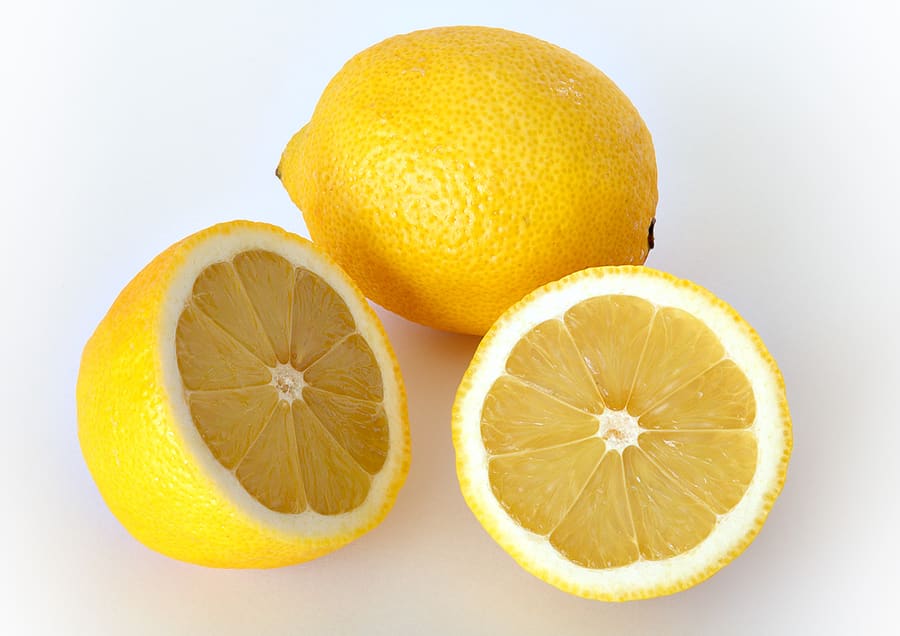
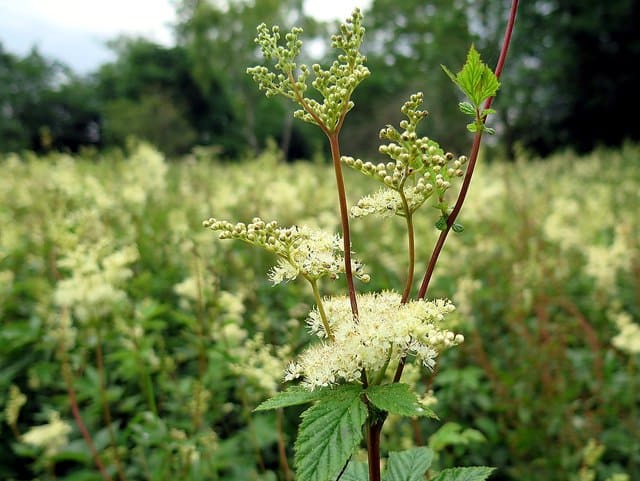
- Lemon (Citrus limon) is a small, evergreen tree with light-green, toothed leaves, fragrant white blossoms, and bright yellow fruit. The fruit is high in vitamin C. Lemon is used to flavor countless foods and beverages.Meadowsweet (Filipendula ulmaria) is a perennial reaching about 5 ft (1.5 m), with toothed leaves and sweetly scented clusters of creamy-white flowers. Known historically as a strewing herb, meadowsweet contains salicylates, compounds related to aspirin.
- Safety & precautions
- Essential Oil (Internal Use): Avoid ingesting unless professionally supervised. Skin Sensitivity: Juice or oil can irritate skin if applied externally in high concentrations or if exposed to sunlight after use.Children with Fevers: Some herbalists advise against using meadowsweet in children with febrile illnesses (similar caution as with aspirin). Large Doses: Excess can cause nausea or vomiting. Allergy: Avoid if allergic to aspirin (salicylates).
Safety text above is printed in full and is never abbreviated. For each plant’s complete precautions, drug and food interactions and preparation notes, open its own page - both are free.