
Herb comparison
Horse Chestnut (Aesculus hippocastanum) vs Stone Root (Collinsonia canadensis)
Both plants are listed as traditional remedies for 2 of the same conditions, which is why they are easy to confuse. Their descriptions and full safety notes are below, free.
- About
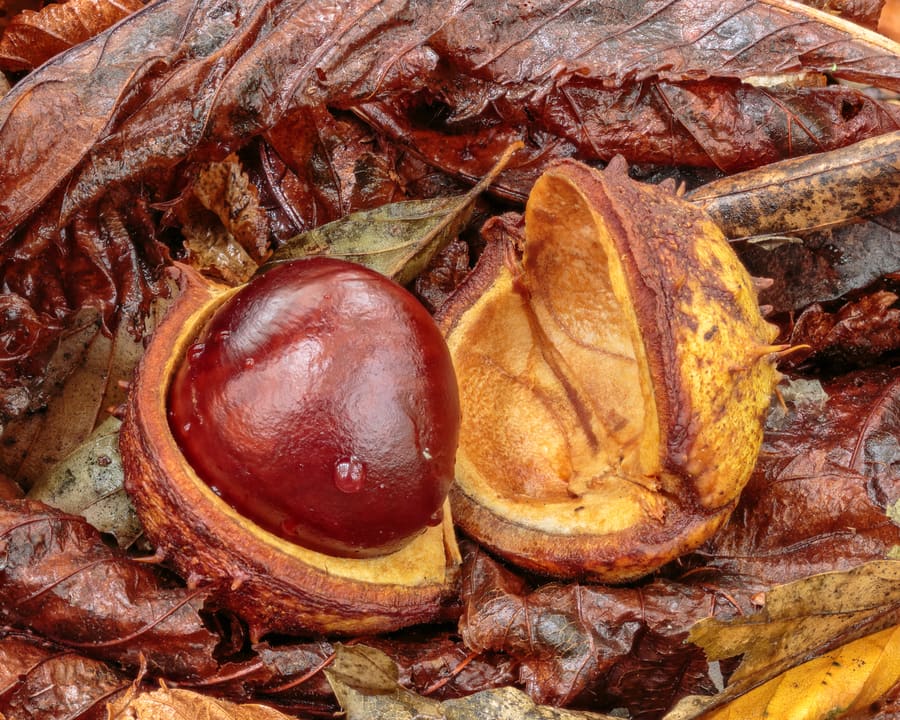
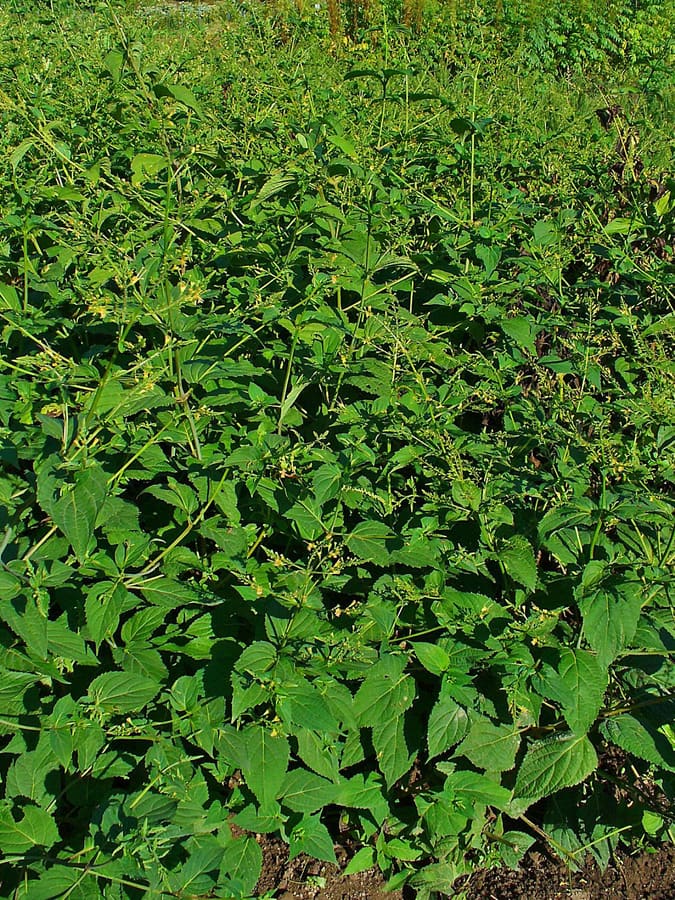
- Horse chestnut (Aesculus hippocastanum) is a large, stately deciduous tree growing up to about 80 ft (25 m), known for its palmate leaves and prickly green seed pods that contain shiny brown seeds (“conkers”). The seed extract was traditionally used for hemorrhoids, swelling and pain, and is now promoted for chronic venous insufficiency. NCCIH says a review suggested seed extract can improve symptoms of chronic venous insufficiency, but more rigorous trials are needed.Stone root is a perennial herb growing to 3 feet tall, characterized by a square stem, oval leaves, and clusters of greenish-yellow flowers. Native to moist woodlands of eastern North America, the root is harvested in autumn. The plant contains volatile oil, tannins, and saponins.
- Safety & precautions
- Children, Pregnancy, & Nursing: Best avoided. Blood-Thinning Medications: Use caution and consult a practitioner. Internally: NCCIH says the raw seeds, bark, flowers and leaves are unsafe by mouth, while standardized seed extracts are likely safe for short-term use. Excess dosage can cause gastrointestinal upset or toxic effects. Broken Skin: Do not apply topically to ulcerated or broken areas.As with any herbal remedy, consult a healthcare provider before use, especially if pregnant, nursing, or taking medications.
Safety text above is printed in full and is never abbreviated. For each plant’s complete precautions, drug and food interactions and preparation notes, open its own page - both are free.