
Herb comparison
Garlic (Allium sativum) vs Horseradish (Armoracia rusticana)
Both plants are listed as traditional remedies for 1 of the same condition, which is why they are easy to confuse. Their descriptions and full safety notes are below, free.
- About
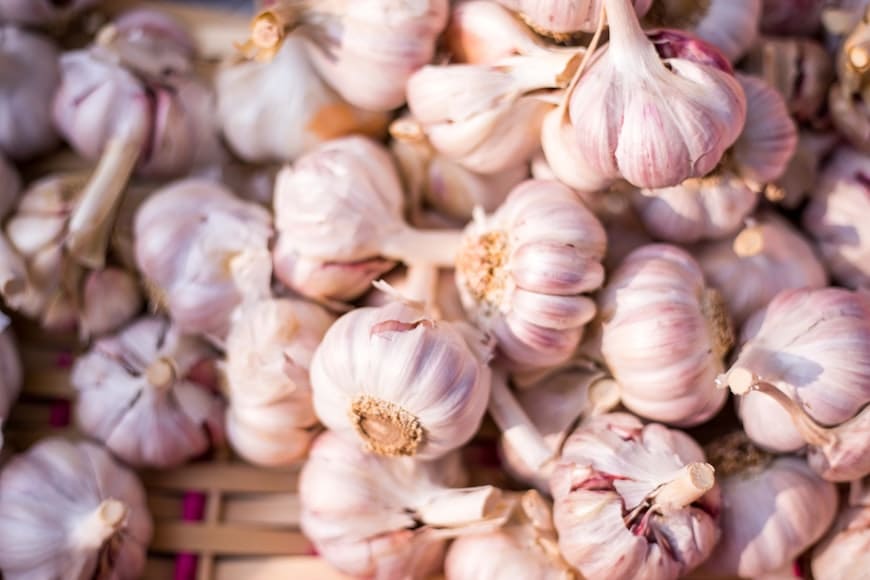
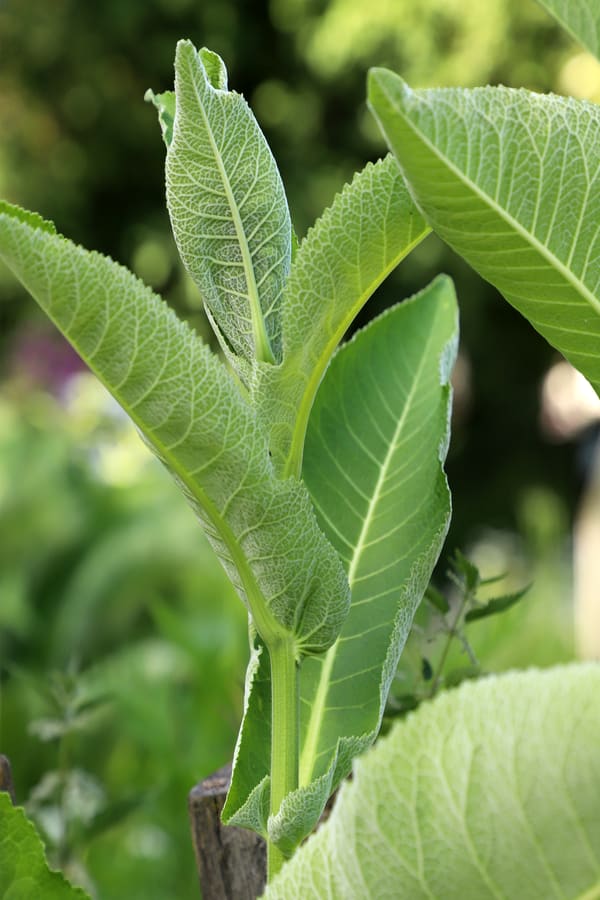
- Garlic (Allium sativum) is a bulbous perennial in the onion family, recognized for its sharp flavor and characteristic odor. It is widely used in cooking, and crushed fresh garlic contains allicin. NCCIH says garlic supplements may lower cholesterol, blood pressure and blood sugar to a small extent, but very little research has tested claims that they boost immunity.Horseradish (Armoracia rusticana) is a robust perennial with a thick, pungent taproot, large crinkled leaves, and clusters of white flowers. It is known for its strongly spicy flavor.
- Safety & precautions
- Digestive Irritation: Can provoke gastric upset; take with meals if sensitive. Blood-Thinning: Consult a healthcare professional if you use blood-thinning medication or have a bleeding disorder. Emaciation/Weakness: Not advised for those who are severely debilitated. Children: Seek professional advice before giving medicinal amounts to children. Skin: NCCIH warns that fresh raw garlic used on the skin can cause severe irritation and chemical burns. Pregnancy: NCCIH says garlic taken by mouth in more than food amounts may not be safe during pregnancy or breastfeeding.Excessive Use: May irritate the digestive tract, causing gastric upset. Low Thyroid Function: Avoid if hypothyroidism is present, as it may further tax thyroid function. Skin Sensitivity: Poultices can blister if applied too long or on sensitive skin.
Safety text above is printed in full and is never abbreviated. For each plant’s complete precautions, drug and food interactions and preparation notes, open its own page - both are free.
Conditions that list both
Related comparisons
- Garlic (Allium sativum) vs Triphala (Terminalia chebula blend)
- Eucalyptus (Eucalyptus globulus) vs Garlic (Allium sativum)
- Garlic (Allium sativum) vs Gentian (Gentiana lutea)
- Garlic (Allium sativum) vs Goldenseal (Hydrastis canadensis)
- Eucalyptus (Eucalyptus globulus) vs Horseradish (Armoracia rusticana)
- Garlic (Allium sativum) vs Ground Ivy (Glechoma hederacea)