
Herb comparison
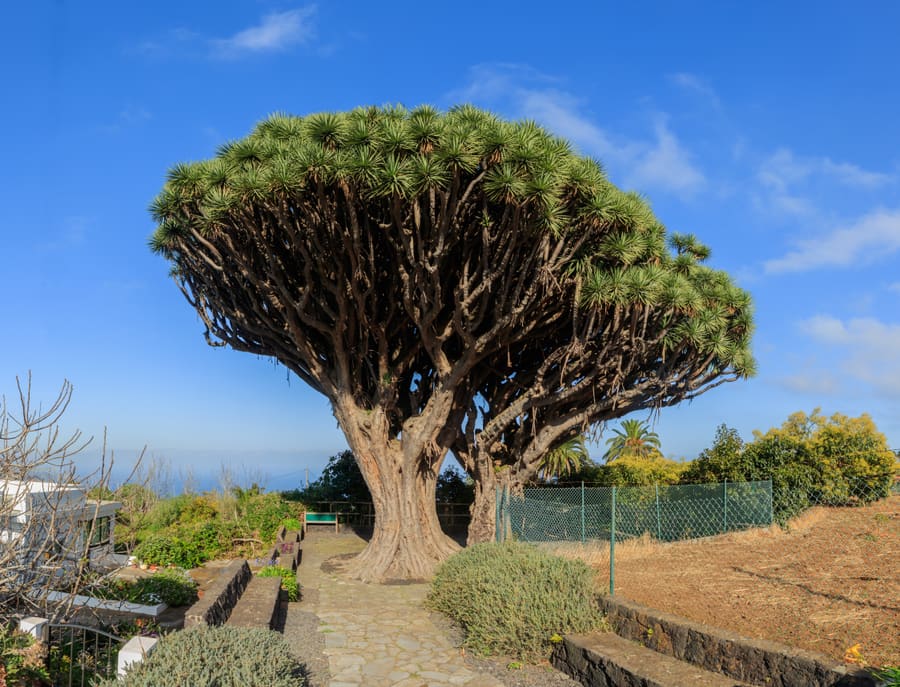
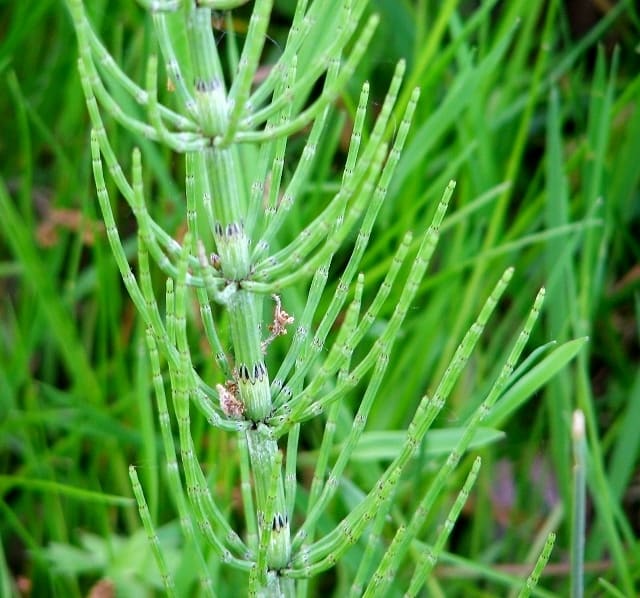
Dragon's Blood (Dracaena draco) vs Horsetail (Equisetum arvense)
Both plants are listed as traditional remedies for 1 of the same condition, which is why they are easy to confuse. Their descriptions and full safety notes are below, free.
- About
- Dragon’s blood derives its name from the deep red sap or latex that oozes from the tree when the bark is cut.Horsetail (Equisetum arvense) is a primitive perennial plant with hollow, segmented stems - first producing spore-bearing yellowish fruiting stems in spring, then green, needle-like sterile stems reaching about 2 ft (60 cm). It is rich in silica.
- Safety & precautions
- Can permanently stain clothingLong-Term Use: Can deplete vitamin B1 (thiamine). Children: Not recommended without professional advice. General: Large amounts or prolonged usage should be monitored by a healthcare professional.
Safety text above is printed in full and is never abbreviated. For each plant’s complete precautions, drug and food interactions and preparation notes, open its own page - both are free.