
Herb comparison
Comfrey (Symphytum officinale) vs Dragon's Blood (Dracaena draco)
Both plants are listed as traditional remedies for 1 of the same condition, which is why they are easy to confuse. Their descriptions and full safety notes are below, free.
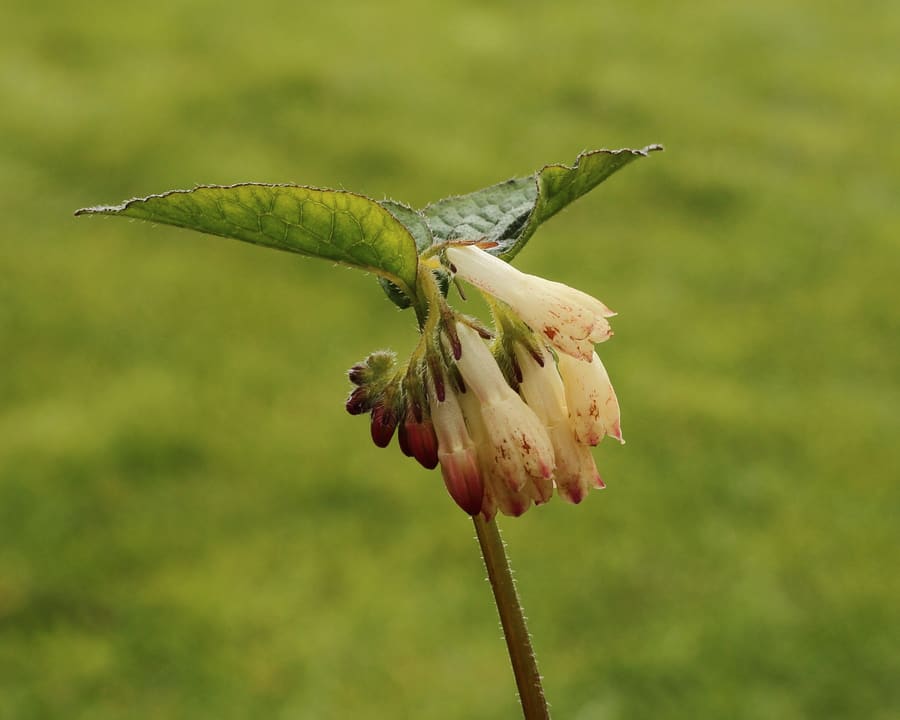
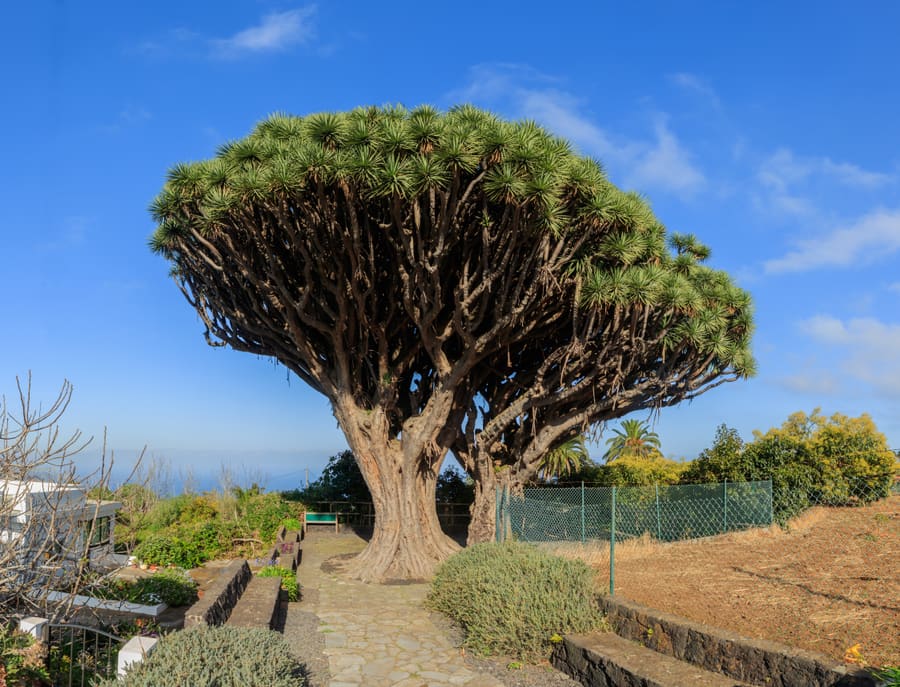
Comfrey (Symphytum officinale) is restricted
Preparation amounts are not shown for this herb. It is toxic, restricted, or otherwise unsafe to self-dose - the margin between a traditional dose and a harmful one is too small to publish as reference material. If you are considering it, that conversation belongs with a doctor or a qualified practitioner, not a website.
- About
- Comfrey (Symphytum officinale) is a perennial growing to about 3 ft (1 m), with thick leaves and bell-shaped flowers ranging from white to pink or mauve. It is often called “knitbone.” It is still used in creams and ointments, but its pyrrolizidine alkaloids (PAs) are liver toxins, and in 2001 the U.S. FDA advised that comfrey products taken by mouth be removed from the market.Dragon’s blood derives its name from the deep red sap or latex that oozes from the tree when the bark is cut.
- Safety & precautions
- Do not take comfrey by mouth: In July 2001 the U.S. FDA, writing to supplement industry groups, recommended that products containing comfrey come off the market and that customers be told to stop using them. The agency's reason was comfrey's pyrrolizidine alkaloids, which it described as firmly proven liver poisons in animals and linked to veno-occlusive liver disease. LiverTox rates oral comfrey a probable cause of liver injury through sinusoidal obstruction, which can progress to liver failure, and notes infants appear especially vulnerable. Topical use: Creams and ointments are still sold. If you use one at all, keep it to unbroken skin and short periods, and ask a clinician first. Do not put it on open, unclean, or deep wounds. Avoid entirely: in pregnancy, while breastfeeding, with cancer, or with any past liver problems. Mistaken identity: MSK reports cases in which foxglove, a poisonous look-alike, was mistaken for comfrey, causing poisonings and at least one death.Can permanently stain clothing
Safety text above is printed in full and is never abbreviated. For each plant’s complete precautions, drug and food interactions and preparation notes, open its own page - both are free.