
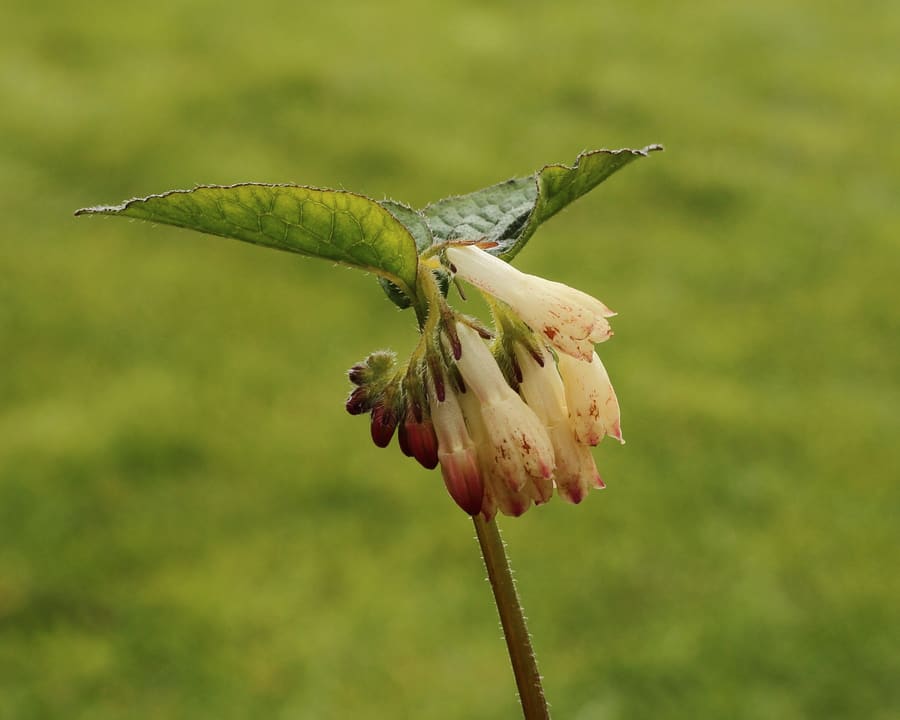
Comfrey (Symphytum officinale)
Photo: Dominicus Johannes Bergsma · CC BY-SA 3.0
- Skeletal
- 1 condition
- Licensed photo
Overview
Comfrey (Symphytum officinale) is a perennial growing to about 3 ft (1 m), with thick leaves and bell-shaped flowers ranging from white to pink or mauve. It is often called “knitbone.” It is still used in creams and ointments, but its pyrrolizidine alkaloids (PAs) are liver toxins, and in 2001 the U.S. FDA advised that comfrey products taken by mouth be removed from the market.
Amounts reported by sources
Preparation amounts are not shown for this herb. It is toxic, restricted, or otherwise unsafe to self-dose - the margin between a traditional dose and a harmful one is too small to publish as reference material. If you are considering it, that conversation belongs with a doctor or a qualified practitioner, not a website.
Safety & precautions
Do not take comfrey by mouth: In July 2001 the U.S. FDA, writing to supplement industry groups, recommended that products containing comfrey come off the market and that customers be told to stop using them. The agency's reason was comfrey's pyrrolizidine alkaloids, which it described as firmly proven liver poisons in animals and linked to veno-occlusive liver disease. LiverTox rates oral comfrey a probable cause of liver injury through sinusoidal obstruction, which can progress to liver failure, and notes infants appear especially vulnerable. Topical use: Creams and ointments are still sold. If you use one at all, keep it to unbroken skin and short periods, and ask a clinician first. Do not put it on open, unclean, or deep wounds. Avoid entirely: in pregnancy, while breastfeeding, with cancer, or with any past liver problems. Mistaken identity: MSK reports cases in which foxglove, a poisonous look-alike, was mistaken for comfrey, causing poisonings and at least one death.
Educational reference only - not medical advice. Herbs can interact with medications. Consult a qualified healthcare provider before use. Full disclaimer.
Drug interactions
Interaction data is not available for this herb - talk to a pharmacist before combining it with any medication. A blank entry here means we have not documented interactions, not that none exist.
Habitat
Native to Europe and now found worldwide in temperate zones, comfrey favors moist, marshy locations. It is grown from seed or root divisions. Leaves and flowering tops are harvested in summer; roots in autumn, as allantoin levels peak.
Sources
The interaction notes and the statements on this page that name a source were written by HerbMate from these references, which were last checked in October 2026. They are summaries, not medical advice; ask a pharmacist about your own medicines.
Traditionally used for
Each condition shows its first 2 remedies free. Premium opens the full remedy list for every condition - or come back for the free Condition of the Day.
Frequently asked questions
How is Comfrey (Symphytum officinale) prepared?
Preparation amounts are not shown for this herb. It is toxic, restricted, or otherwise unsafe to self-dose - the margin between a traditional dose and a harmful one is too small to publish as reference material. If you are considering it, that conversation belongs with a doctor or a qualified practitioner, not a website.
What safety cautions apply to Comfrey (Symphytum officinale)?
Do not take comfrey by mouth: In July 2001 the U.S. FDA, writing to supplement industry groups, recommended that products containing comfrey come off the market and that customers be told to stop using them. The agency's reason was comfrey's pyrrolizidine alkaloids, which it described as firmly proven liver poisons in animals and linked to veno-occlusive liver disease. LiverTox rates oral comfrey a probable cause of liver injury through sinusoidal obstruction, which can progress to liver failure, and notes infants appear especially vulnerable. Topical use: Creams and ointments are still sold. If you use one at all, keep it to unbroken skin and short periods, and ask a clinician first. Do not put it on open, unclean, or deep wounds. Avoid entirely: in pregnancy, while breastfeeding, with cancer, or with any past liver problems. Mistaken identity: MSK reports cases in which foxglove, a poisonous look-alike, was mistaken for comfrey, causing poisonings and at least one death.
Related herbs
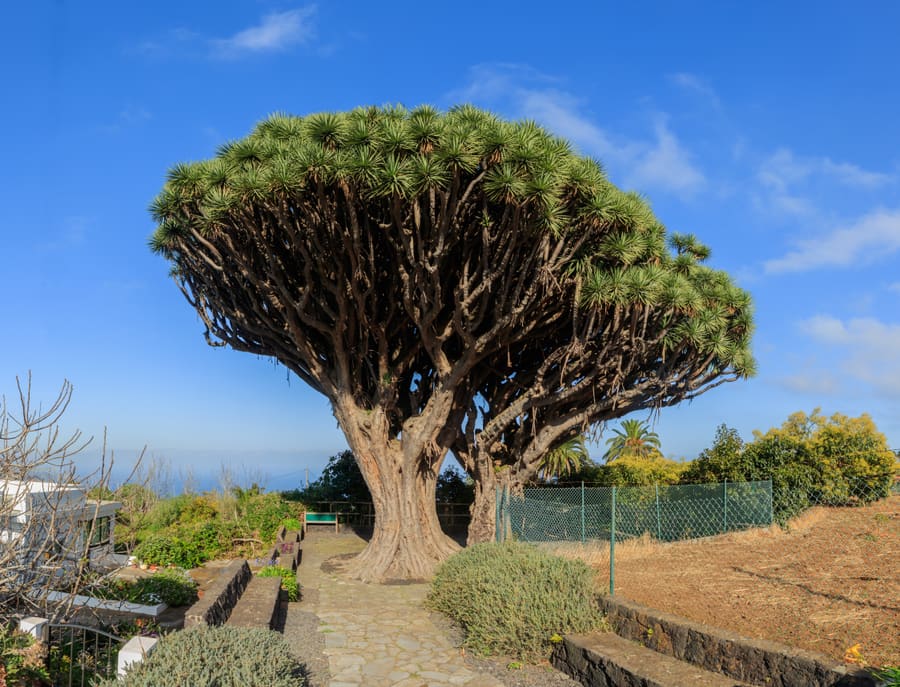 Dragon's Blood (Dracaena draco)
Dragon’s blood derives its name from the deep red sap or latex that oozes from the tree when the bark is cut.
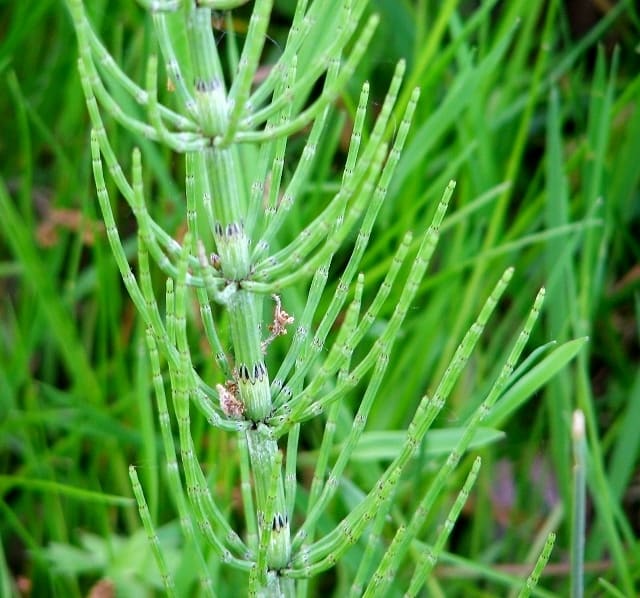 Horsetail (Equisetum arvense)
Horsetail (Equisetum arvense) is a primitive perennial plant with hollow, segmented stems - first producing spore-bearing yellowish fruiting stems in spring, then green, needle-like sterile stems reaching about 2 ft (60 cm). It is rich in silica.