
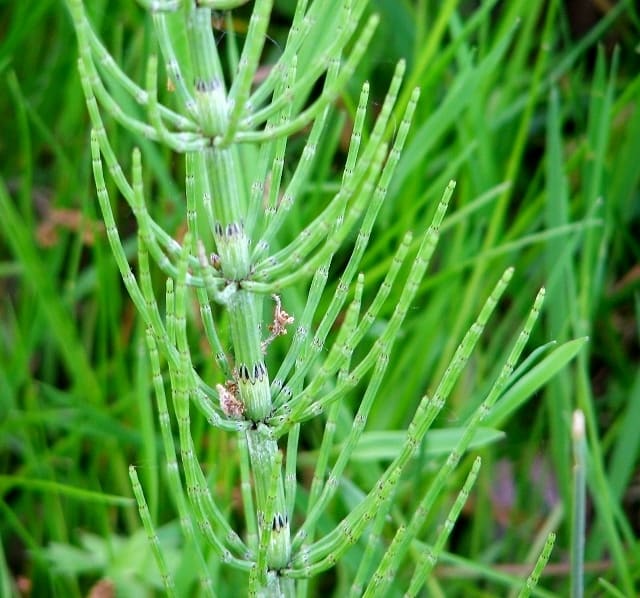
Horsetail (Equisetum arvense)
Photo: © geograph.org.uk contributor · CC BY-SA 2.0
- Skeletal
- 1 condition
- Licensed photo
Overview
Horsetail (Equisetum arvense) is a primitive perennial plant with hollow, segmented stems - first producing spore-bearing yellowish fruiting stems in spring, then green, needle-like sterile stems reaching about 2 ft (60 cm). It is rich in silica.
Traditional uses & properties
Minerals: High in silica.
Safety & precautions
Long-Term Use: Can deplete vitamin B1 (thiamine). Children: Not recommended without professional advice. General: Large amounts or prolonged usage should be monitored by a healthcare professional.
Educational reference only - not medical advice. Herbs can interact with medications. Consult a qualified healthcare provider before use. Full disclaimer.
Drug interactions
Interaction data is not available for this herb - talk to a pharmacist before combining it with any medication. A blank entry here means we have not documented interactions, not that none exist.
Habitat
Found across Europe, North Africa, northern Asia, and the Americas, horsetail typically grows in damp soils, near marshes and along riverbanks. The sterile stems are harvested in summer, carefully dried, discarding discolored parts.
Traditionally used for
Each condition shows its first 2 remedies free. Premium opens the full remedy list for every condition - or come back for the free Condition of the Day.
Frequently asked questions
What is Horsetail (Equisetum arvense) traditionally used for?
Traditional sources describe Horsetail (Equisetum arvense) as follows: Minerals: High in silica.
What safety cautions apply to Horsetail (Equisetum arvense)?
Long-Term Use: Can deplete vitamin B1 (thiamine). Children: Not recommended without professional advice. General: Large amounts or prolonged usage should be monitored by a healthcare professional.
Related herbs
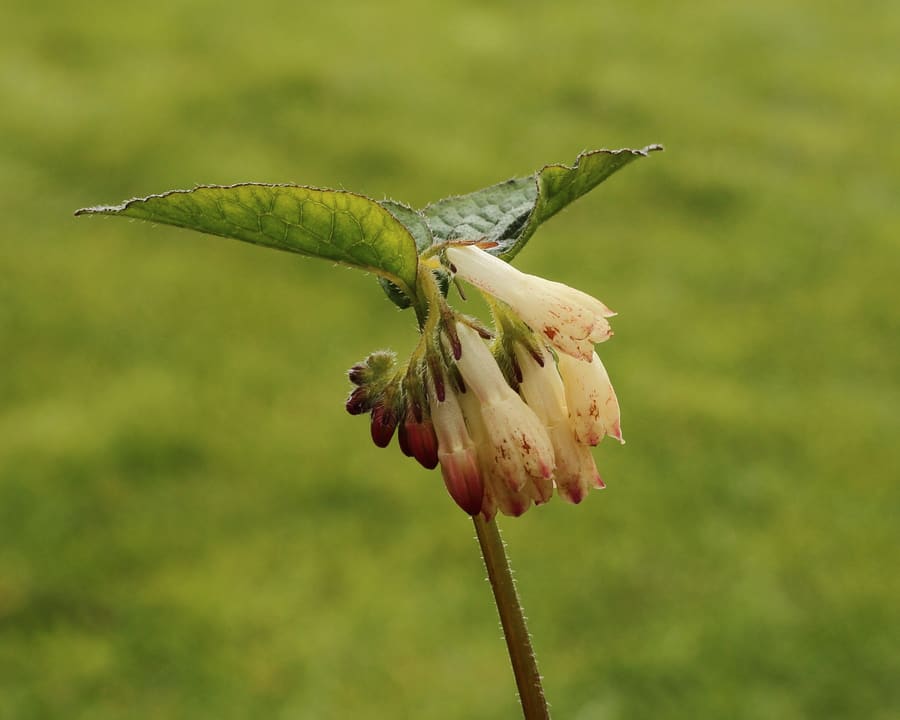 Comfrey (Symphytum officinale)Not for self-dosing
Comfrey (Symphytum officinale) is a perennial growing to about 3 ft (1 m), with thick leaves and bell-shaped flowers ranging from white to pink or mauve. It is often called “knitbone.” It is still used in creams and ointments, but its pyrrolizidine alkaloids (PAs) are liver toxins, and in 2001 the U.S. FDA advised that comfrey products taken by mouth be removed from the market.
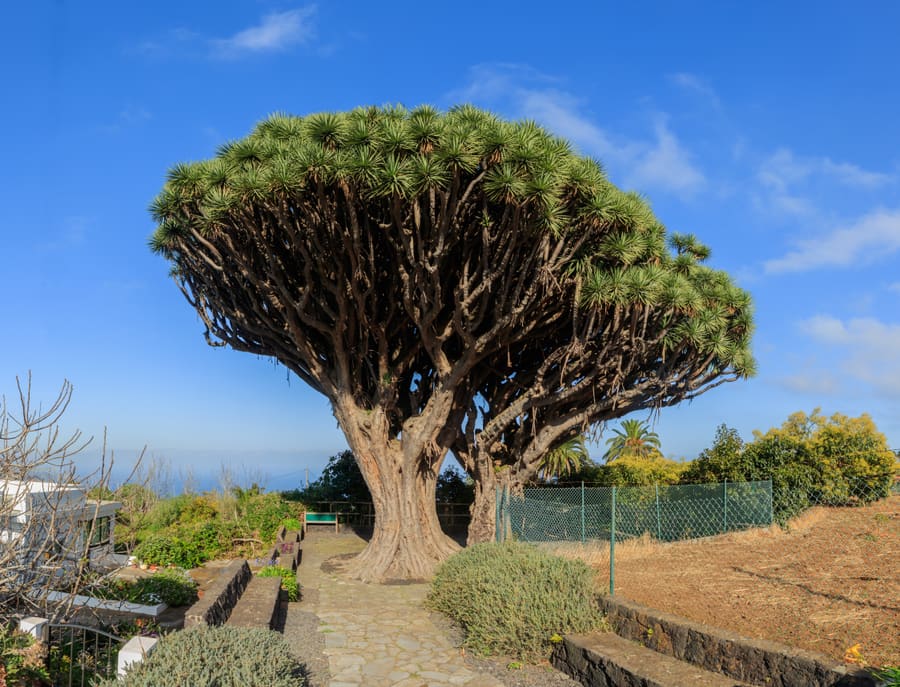 Dragon's Blood (Dracaena draco)
Dragon’s blood derives its name from the deep red sap or latex that oozes from the tree when the bark is cut.