
Herb comparison
Couch Grass (Elymus repens) vs Uva Ursi (Arctostaphylos uva-ursi)
Both plants are listed as traditional remedies for 2 of the same conditions, which is why they are easy to confuse. Their descriptions and full safety notes are below, free.
Uva Ursi (Arctostaphylos uva-ursi) is restricted
Preparation amounts are not shown for this herb. It is toxic, restricted, or otherwise unsafe to self-dose - the margin between a traditional dose and a harmful one is too small to publish as reference material. If you are considering it, that conversation belongs with a doctor or a qualified practitioner, not a website.
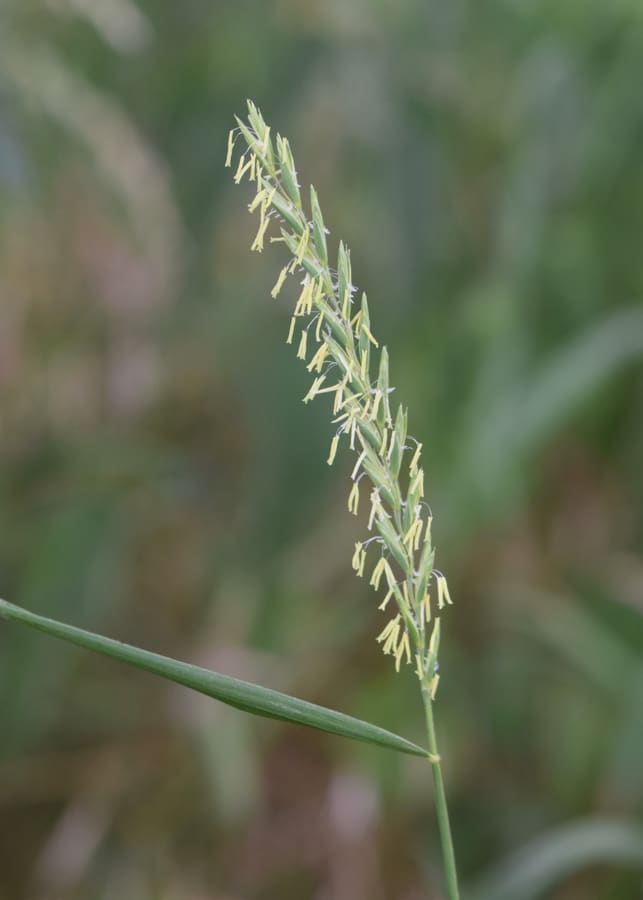
- About
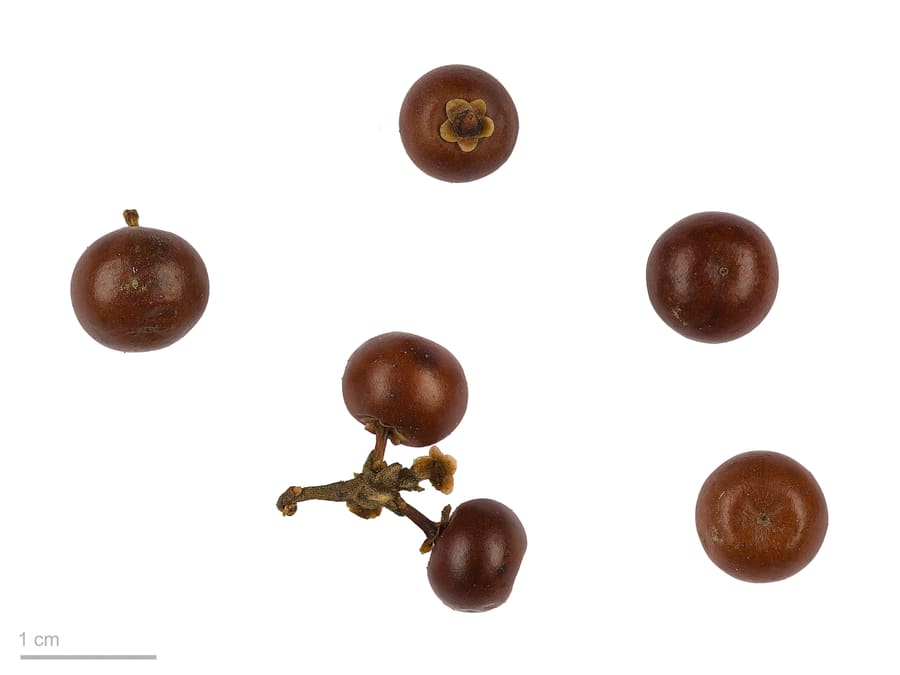
- Couch grass is a vigorous perennial growing to 32 inches with a long, creeping rhizome, slender leaves, and erect spikes bearing green flowers aligned in two rows. Found in Europe, the Americas, northern Asia, and Australia, it is an invasive weed harvested throughout the year. In times of famine, the root was roasted and ground as a substitute for coffee and flour.Uva-ursi is a low-lying evergreen shrub growing to 20 inches tall with long trailing stems, dark green leaves that are glossy on the upper side, bell-shaped pink flowers, and small glossy red berries. The name means 'bear's grape' in Latin, as bears are fond of the fruit. Native to Europe and naturalized throughout the northern hemisphere up to the Arctic, it grows in damp undergrowth, heathland, and grassland conditions. The plant was first documented in The Physicians of Myddfai, a 13th-century Welsh herbal text.
- Safety & precautions
- Ask a qualified professional before medicinal use.Do not take during pregnancy or with kidney disease. Not suitable for children under 12. Not suitable if there is a simultaneous kidney infection. Use only for short periods, under professional guidance. Not for use in cases involving fluid deficiency, wasting, or dryness. Not recommended for long-term use due to strong astringency. Prolonged use may irritate the stomach and cause constipation.
Safety text above is printed in full and is never abbreviated. For each plant’s complete precautions, drug and food interactions and preparation notes, open its own page - both are free.
Conditions that list both
Related comparisons
- Couch Grass (Elymus repens) vs Gravel Root (Eupatorium purpureum)
- Buchu (Barosma betulina) vs Uva Ursi (Arctostaphylos uva-ursi)
- Couch Grass (Elymus repens) vs Goldenrod (Solidago virgaurea)
- Couch Grass (Elymus repens) vs Marshmallow (Althaea officinalis)
- Couch Grass (Elymus repens) vs Pau d'Arco (Tabebuia impetiginosa)
- Buchu (Barosma betulina) vs Couch Grass (Elymus repens)