
Herb comparison
Butterbur (Petasites hybridus) vs Feverfew (Tanacetum parthenium)
Both plants are listed as traditional remedies for 1 of the same condition, which is why they are easy to confuse. Their descriptions and full safety notes are below, free.
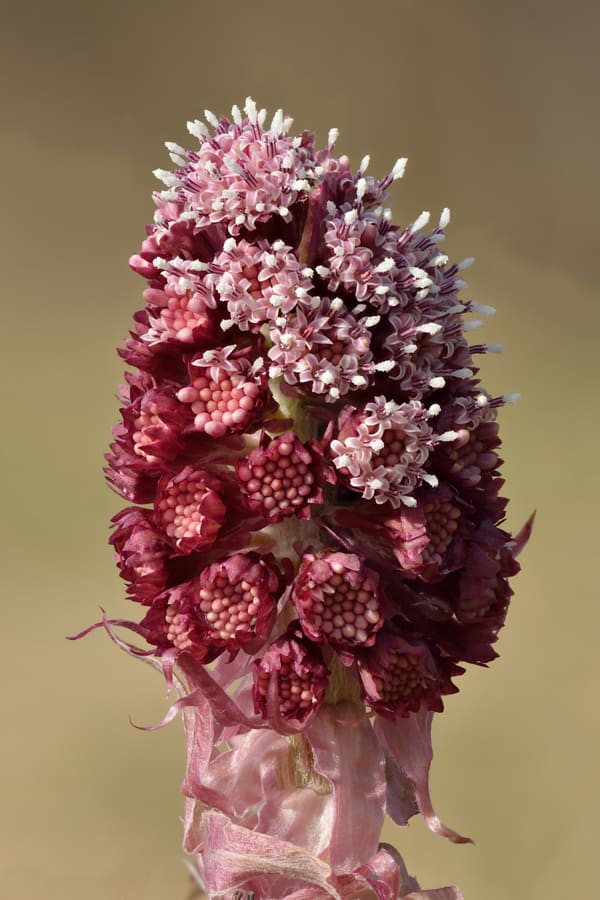

Butterbur (Petasites hybridus) is restricted
Preparation amounts are not shown for this herb. It is toxic, restricted, or otherwise unsafe to self-dose - the margin between a traditional dose and a harmful one is too small to publish as reference material. If you are considering it, that conversation belongs with a doctor or a qualified practitioner, not a website.
- About
- Butterbur (sometimes called Petasites) is known for large, rhubarb-like leaves and stems that often grow in damp, marshy areas or moist forest grounds. It contains the compounds petasin and isopetasin. NCCIH says a root extract may reduce how often migraines occur and a leaf extract may ease hay fever, but the American Academy of Neurology stopped recommending it for migraine in 2015 because of safety concerns.Feverfew is a perennial plant with leaves that look like those of chrysanthemum and flowers that look like daisies. NCCIH says some research suggests it may help prevent migraine headaches, but results have been mixed.
- Safety & precautions
- Pyrrolizidine alkaloids (PAs): The raw plant contains PAs, compounds that NCCIH says can harm the liver and lungs and might cause cancer. NCCIH's advice is to consider only products processed to strip out PAs that carry a PA-free label or certification. Liver injury: NCCIH notes rare liver injury even with products reported to be PA-free, and LiverTox describes cases, two needing urgent liver transplant, with some commercial butterbur products, possibly from leftover PAs. Stop and ask for liver tests if you develop tiredness, nausea, belly pain or dark urine. Avoid butterbur if you have liver disease. Pregnancy: NCCIH says to avoid products containing PAs during pregnancy and breastfeeding; little is known about PA-free ones.Fresh feverfew leaves can cause mouth ulcers. Do not use feverfew during pregnancy and avoid it if you are allergic to ragweed.
Safety text above is printed in full and is never abbreviated. For each plant’s complete precautions, drug and food interactions and preparation notes, open its own page - both are free.