
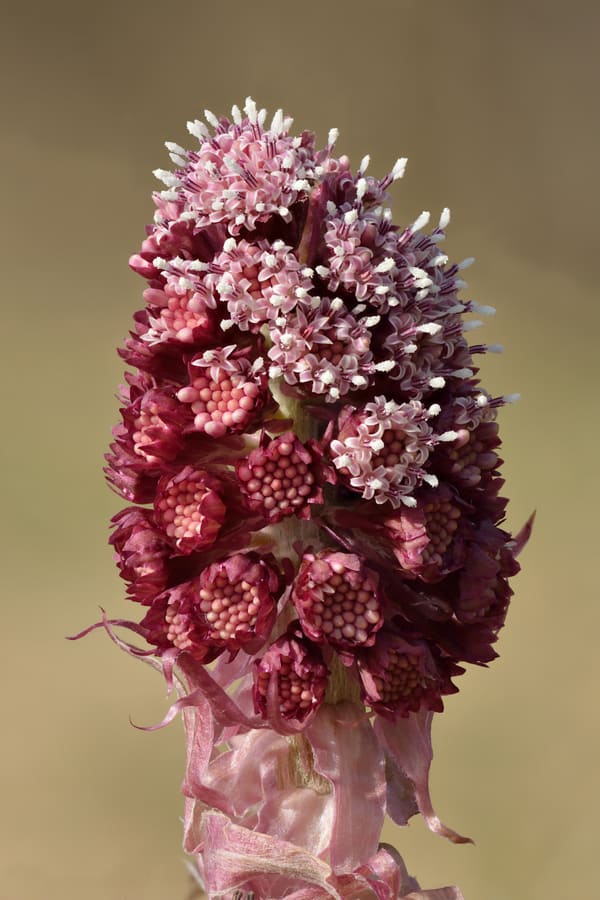
Butterbur (Petasites hybridus)
Photo: Ivar Leidus · CC BY-SA 4.0
- Head and Neck
- 1 condition
- Licensed photo
Overview
Butterbur (sometimes called Petasites) is known for large, rhubarb-like leaves and stems that often grow in damp, marshy areas or moist forest grounds. It contains the compounds petasin and isopetasin. NCCIH says a root extract may reduce how often migraines occur and a leaf extract may ease hay fever, but the American Academy of Neurology stopped recommending it for migraine in 2015 because of safety concerns.
Amounts reported by sources
Preparation amounts are not shown for this herb. It is toxic, restricted, or otherwise unsafe to self-dose - the margin between a traditional dose and a harmful one is too small to publish as reference material. If you are considering it, that conversation belongs with a doctor or a qualified practitioner, not a website.
Safety & precautions
Pyrrolizidine alkaloids (PAs): The raw plant contains PAs, compounds that NCCIH says can harm the liver and lungs and might cause cancer. NCCIH's advice is to consider only products processed to strip out PAs that carry a PA-free label or certification. Liver injury: NCCIH notes rare liver injury even with products reported to be PA-free, and LiverTox describes cases, two needing urgent liver transplant, with some commercial butterbur products, possibly from leftover PAs. Stop and ask for liver tests if you develop tiredness, nausea, belly pain or dark urine. Avoid butterbur if you have liver disease. Pregnancy: NCCIH says to avoid products containing PAs during pregnancy and breastfeeding; little is known about PA-free ones.
Educational reference only - not medical advice. Herbs can interact with medications. Consult a qualified healthcare provider before use. Full disclaimer.
Drug interactions
Interaction data is not available for this herb - talk to a pharmacist before combining it with any medication. A blank entry here means we have not documented interactions, not that none exist.
Habitat
Native to parts of Europe, Asia, and North America, butterbur thrives in wet, marshy soils, near streams, and in damp forests. The usable parts include the roots, leaves, and stems.
Sources
The interaction notes and the statements on this page that name a source were written by HerbMate from these references, which were last checked in October 2026. They are summaries, not medical advice; ask a pharmacist about your own medicines.
Traditionally used for
Each condition shows its first 2 remedies free. Premium opens the full remedy list for every condition - or come back for the free Condition of the Day.
Frequently asked questions
How is Butterbur (Petasites hybridus) prepared?
Preparation amounts are not shown for this herb. It is toxic, restricted, or otherwise unsafe to self-dose - the margin between a traditional dose and a harmful one is too small to publish as reference material. If you are considering it, that conversation belongs with a doctor or a qualified practitioner, not a website.
What safety cautions apply to Butterbur (Petasites hybridus)?
Pyrrolizidine alkaloids (PAs): The raw plant contains PAs, compounds that NCCIH says can harm the liver and lungs and might cause cancer. NCCIH's advice is to consider only products processed to strip out PAs that carry a PA-free label or certification. Liver injury: NCCIH notes rare liver injury even with products reported to be PA-free, and LiverTox describes cases, two needing urgent liver transplant, with some commercial butterbur products, possibly from leftover PAs. Stop and ask for liver tests if you develop tiredness, nausea, belly pain or dark urine. Avoid butterbur if you have liver disease. Pregnancy: NCCIH says to avoid products containing PAs during pregnancy and breastfeeding; little is known about PA-free ones.
Related herbs
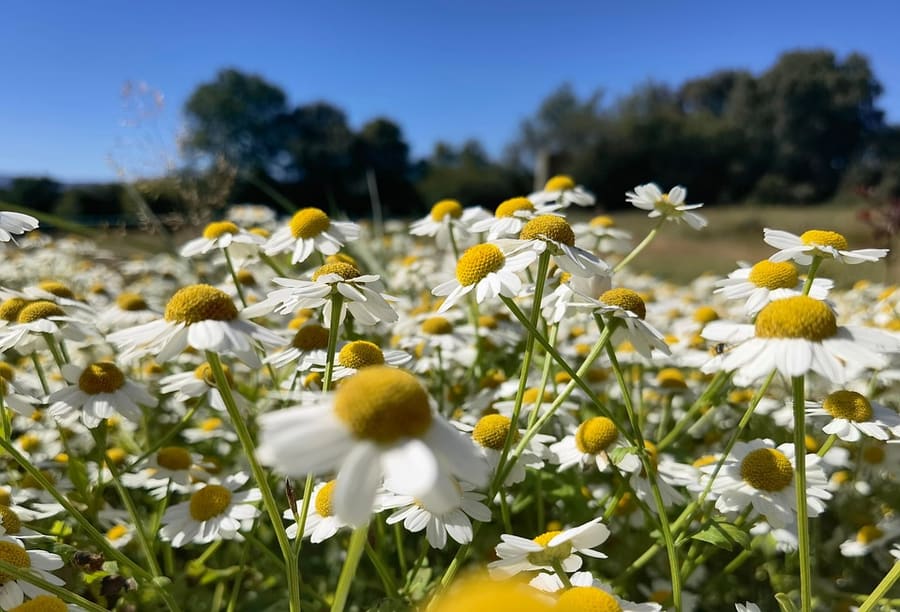 Feverfew (Tanacetum parthenium)
Feverfew is a perennial plant with leaves that look like those of chrysanthemum and flowers that look like daisies. NCCIH says some research suggests it may help prevent migraine headaches, but results have been mixed.
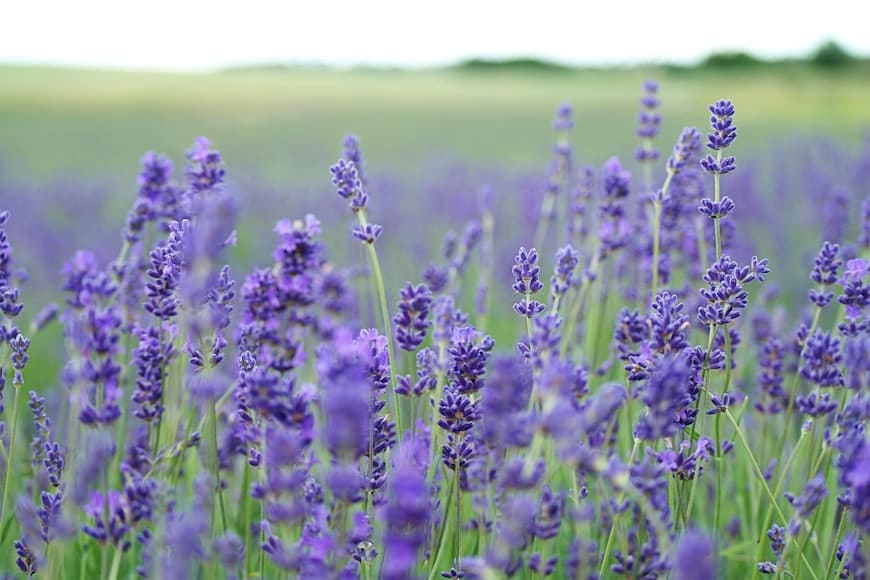 Lavender (Lavandula angustifolia)
Lavender (Lavandula officinalis, also known as L. angustifolia) is a small, perennial shrub that can grow about 3 ft (1 m) high, characterized by its narrow, silver-green leaves and spiked violet-blue flowers. Renowned for its sweet aroma, lavender has a long history in traditional medicine for improving mood and sleep, and NCCIH says it is promoted today for calming anxiety and stress. NCCIH says studies suggest an oral lavender oil product might help anxiety, but more high-quality research is needed to reach reliable conclusions.