
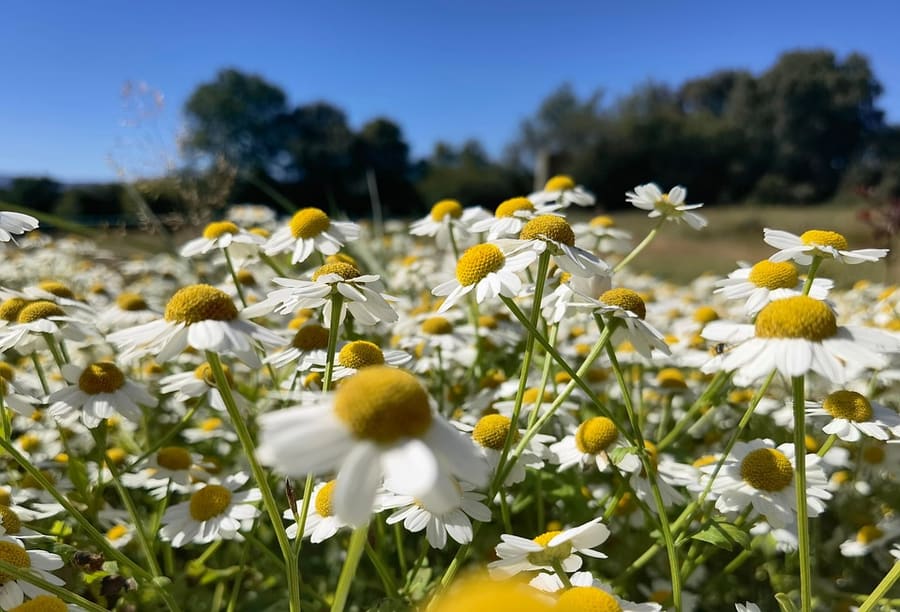
Feverfew (Tanacetum parthenium)
Photo: Pixabay
- Head and Neck
- 1 condition
- Licensed photo
Overview
Feverfew is a perennial plant with leaves that look like those of chrysanthemum and flowers that look like daisies. NCCIH says some research suggests it may help prevent migraine headaches, but results have been mixed.
Safety & precautions
Fresh feverfew leaves can cause mouth ulcers. Do not use feverfew during pregnancy and avoid it if you are allergic to ragweed.
Educational reference only - not medical advice. Herbs can interact with medications. Consult a qualified healthcare provider before use. Full disclaimer.
Drug interactions
Feverfew may slow blood clotting. [1]
- Blood thinners and antiplatelet drugs
- NCCIH says feverfew may slow clotting and advises stopping it at least two weeks before planned surgery. MSK notes its active constituent inhibits platelets and may add to these drugs. [1, 2]
- Migraine medicines
- NCCIH notes possible interactions with some medicines, migraine drugs among them. [1]
- Medicines broken down by liver enzymes
- MSK reports that feverfew inhibited several CYP enzymes in research. Relevance is unknown. [2]
How to read this section: each entry is HerbMate's summary of what the cited sources report. Words such as "may", "theoretical" or "in laboratory or animal studies" mean the effect has not been confirmed in people, and "case report" means it was seen in one or a few patients. A medicine that is not listed here has not been shown to be safe with this herb. The numbers in brackets link to the sources at the foot of the page.
Habitat
Originally from southeastern Europe, feverfew is now common throughout Europe, Australia, and North America. It can be propagated from seed or cuttings, and prefers well-drained soil and sun. The leaves are picked as required and the aerial parts as a whole are harvested in summer when the plant is in flower.
Sources
The interaction notes and the statements on this page that name a source were written by HerbMate from these references, which were last checked in October 2026. They are summaries, not medical advice; ask a pharmacist about your own medicines.
Traditionally used for
Each condition shows its first 2 remedies free. Premium opens the full remedy list for every condition - or come back for the free Condition of the Day.
Frequently asked questions
What safety cautions apply to Feverfew (Tanacetum parthenium)?
Fresh feverfew leaves can cause mouth ulcers. Do not use feverfew during pregnancy and avoid it if you are allergic to ragweed.
Related herbs
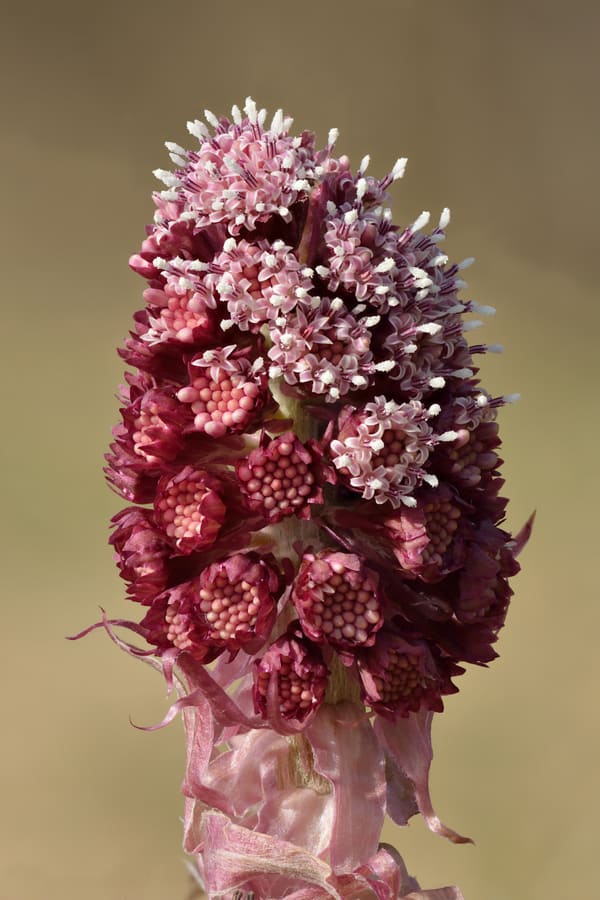 Butterbur (Petasites hybridus)Not for self-dosing
Butterbur (sometimes called Petasites) is known for large, rhubarb-like leaves and stems that often grow in damp, marshy areas or moist forest grounds. It contains the compounds petasin and isopetasin. NCCIH says a root extract may reduce how often migraines occur and a leaf extract may ease hay fever, but the American Academy of Neurology stopped recommending it for migraine in 2015 because of safety concerns.
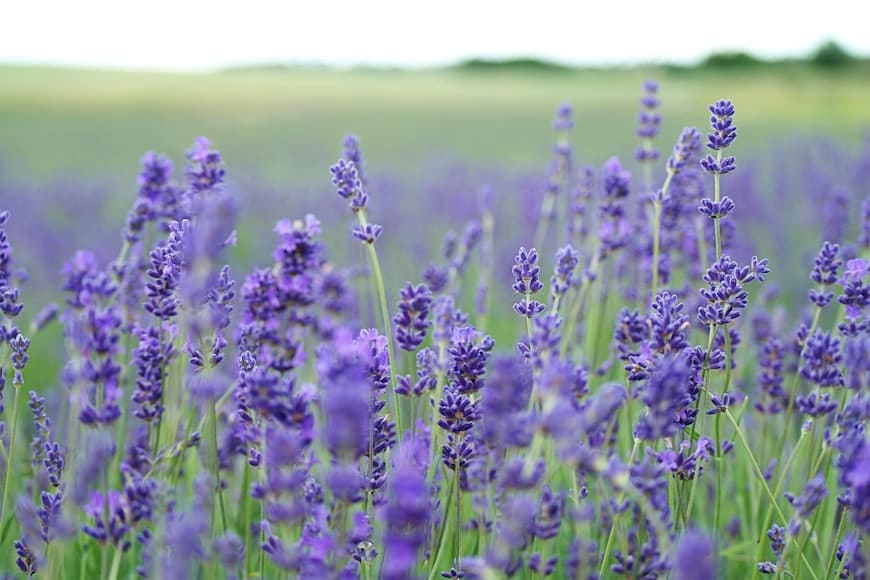 Lavender (Lavandula angustifolia)
Lavender (Lavandula officinalis, also known as L. angustifolia) is a small, perennial shrub that can grow about 3 ft (1 m) high, characterized by its narrow, silver-green leaves and spiked violet-blue flowers. Renowned for its sweet aroma, lavender has a long history in traditional medicine for improving mood and sleep, and NCCIH says it is promoted today for calming anxiety and stress. NCCIH says studies suggest an oral lavender oil product might help anxiety, but more high-quality research is needed to reach reliable conclusions.