
Herb comparison
Black Cohosh (Cimicifuga racemosa) vs Blue Cohosh (Caulophyllum thalictroides)
Both plants are listed as traditional remedies for 1 of the same condition, which is why they are easy to confuse. Their descriptions and full safety notes are below, free.
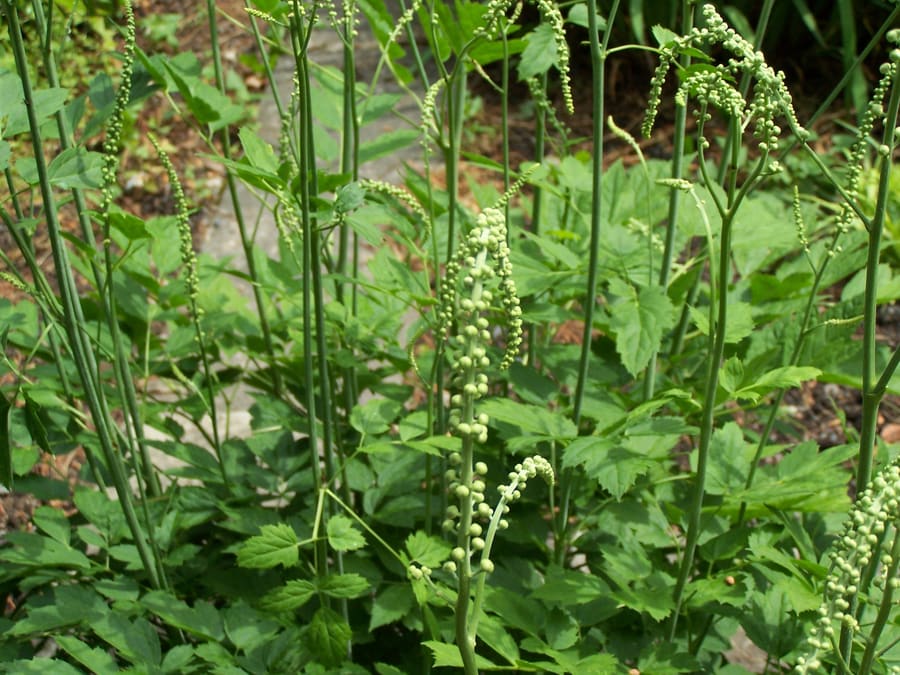
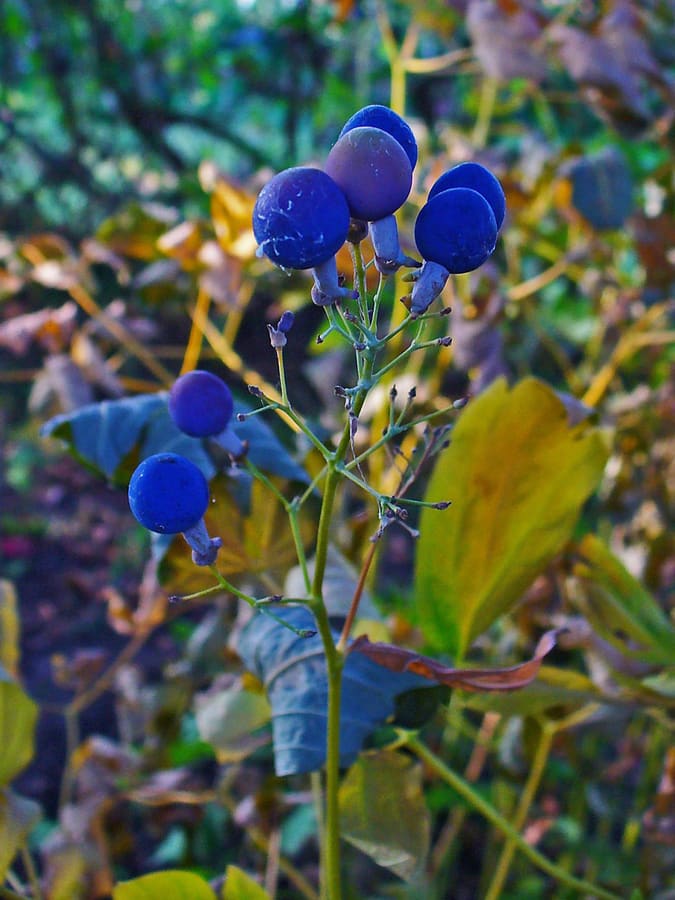
Blue Cohosh (Caulophyllum thalictroides) is restricted
Preparation amounts are not shown for this herb. It is toxic, restricted, or otherwise unsafe to self-dose - the margin between a traditional dose and a harmful one is too small to publish as reference material. If you are considering it, that conversation belongs with a doctor or a qualified practitioner, not a website.
- About
- Black cohosh (Cimicifuga racemosa) is a tall herbaceous perennial, growing up to about 8 ft (2.5 m) with creamy-white flower spikes. Its thick, knobby root has a bitter, acrid taste and a distinctive odor. Native Americans used the root for a variety of conditions, including menstrual cramps, kidney ailments and sore throat; NCCIH says research has focused on menopause symptoms, and there aren't enough reliable data on other uses.Blue cohosh is an upright perennial herb reaching 3 feet in height, with large three-lobed leaves, yellow to purple flowers, and striking blue berries. It grows wild in much of eastern North America from Manitoba to Alabama, preferring woodland valleys and damp, north-facing slopes. The name 'cohosh' comes from the Algonquin language, and the plant was a popular remedy among many Native American tribes.
- Safety & precautions
- Liver: LiverTox describes many reported cases of acute liver injury with products sold as black cohosh, some severe enough to need a liver transplant or to cause death. NCCIH calls these problems rare and says it is uncertain whether black cohosh itself or contaminants were responsible. Stop and contact a clinician if you notice dark urine, fatigue, abdominal pain or yellowing skin or eyes. Pregnancy: MSK advises avoiding black cohosh during pregnancy because it may act as an abortifacient, and NCCIH says it may not be safe during pregnancy or breastfeeding. Side Effects in Large Doses: May cause headaches, dizziness, central nervous system irritation, nausea, and vomiting. Hormone-Sensitive Conditions: Without professional guidance, avoid it with any hormone-sensitive condition or after breast cancer.Use only under professional supervision. Do not take during pregnancy or while trying to conceive, as it stimulates uterine contractions and could induce miscarriage. Avoid during heavy menstrual bleeding. NCCIH says the use of blue cohosh to induce labor has been associated with life-threatening complications in the infant, including seizures, and that blue cohosh may cause high blood pressure, high blood sugar and chest pain. The plant can be toxic and can cause contact dermatitis. Not recommended while breastfeeding.
Safety text above is printed in full and is never abbreviated. For each plant’s complete precautions, drug and food interactions and preparation notes, open its own page - both are free.
Conditions that list both
Related comparisons
- Blue Cohosh (Caulophyllum thalictroides) vs Chinese Peony / White Peony (Paeonia lactiflora)
- Blue Cohosh (Caulophyllum thalictroides) vs Spikenard (Aralia racemosa)
- Black Cohosh (Cimicifuga racemosa) vs Chinese Peony / White Peony (Paeonia lactiflora)
- Black Cohosh (Cimicifuga racemosa) vs Red Clover (Trifolium pratense)
- Black Cohosh (Cimicifuga racemosa) vs Wild Yam (Dioscorea villosa)
- Blue Cohosh (Caulophyllum thalictroides) vs Chaste Tree (Vitex agnus-castus)