
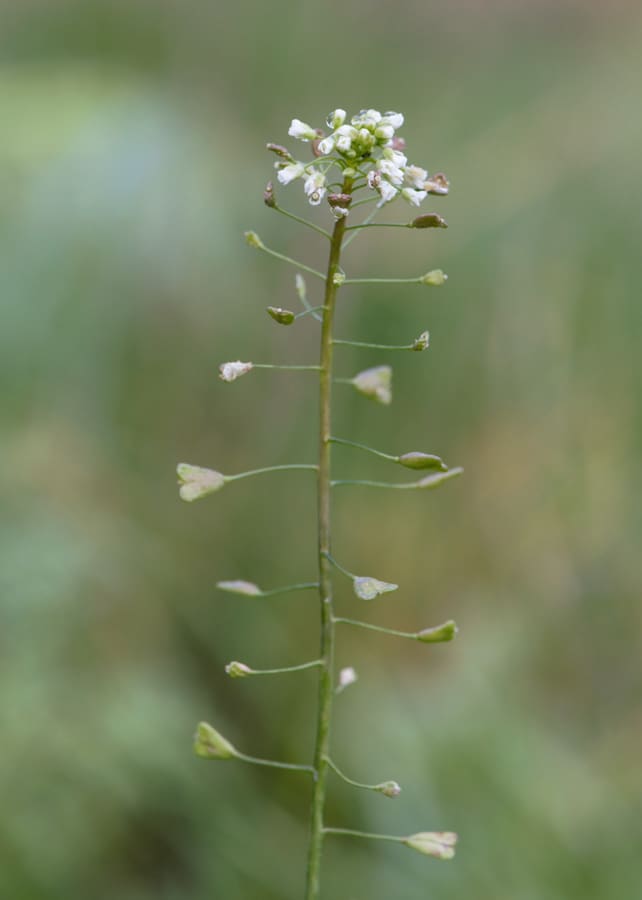
Shepherd’s Purse (Capsella bursa-pastoris)
Photo: Krzysztof Ziarnek, Kenraiz · CC BY-SA 4.0
- Circulatory
- 2 conditions
- Licensed photo
Overview
Shepherd’s purse (Capsella bursa-pastoris) is an annual to biennial plant with a basal rosette of leaves, small white 4-petaled flowers, and distinctive heart-shaped seed pods resembling an old-fashioned pouch.
Safety & precautions
Pregnancy: Avoid; can stimulate uterine contractions. Blood Pressure: Considered hypertensive, so those with high blood pressure should consult a professional. General: Intended only for short-term use.
Educational reference only - not medical advice. Herbs can interact with medications. Consult a qualified healthcare provider before use. Full disclaimer.
Drug interactions
Interaction data is not available for this herb - talk to a pharmacist before combining it with any medication. A blank entry here means we have not documented interactions, not that none exist.
Habitat
Possibly native to Europe and Asia, shepherd’s purse now occurs nearly worldwide as a common weed. It grows in disturbed soils, roadsides, and arable land. Collected at various times of year; aerial parts are used.
Traditionally used for
Each condition shows its first 2 remedies free. Premium opens the full remedy list for every condition - or come back for the free Condition of the Day.
Frequently asked questions
What safety cautions apply to Shepherd’s Purse (Capsella bursa-pastoris)?
Pregnancy: Avoid; can stimulate uterine contractions. Blood Pressure: Considered hypertensive, so those with high blood pressure should consult a professional. General: Intended only for short-term use.
Related herbs
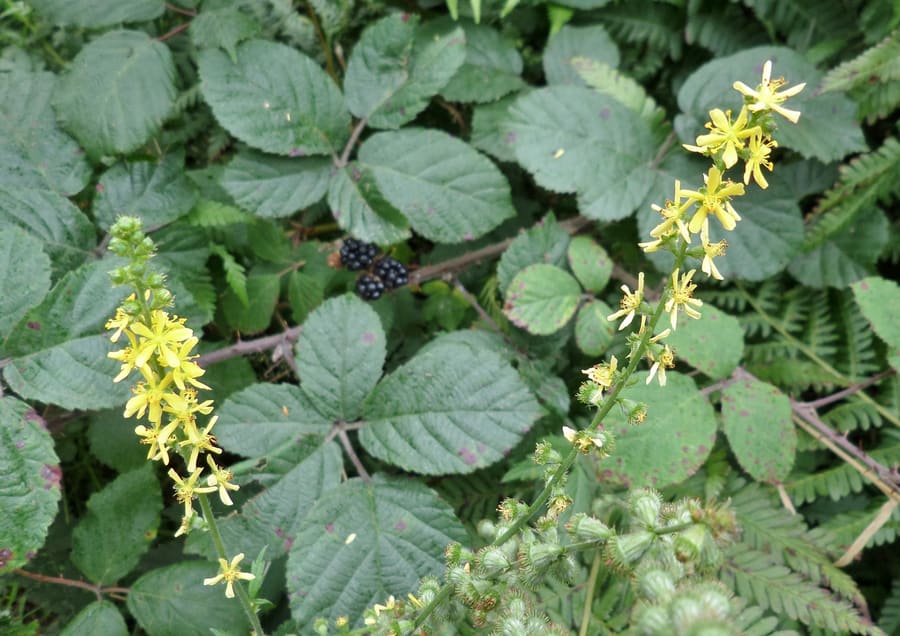 Agrimony (agrimonia eupatoria)
Agrimony is an erect, slightly aromatic perennial that grows to around 3 ft (1 m). It has paired leaves that are green above and silvery-green beneath, and it bears small, bright yellow, five-petaled flowers arranged on slender spikes.
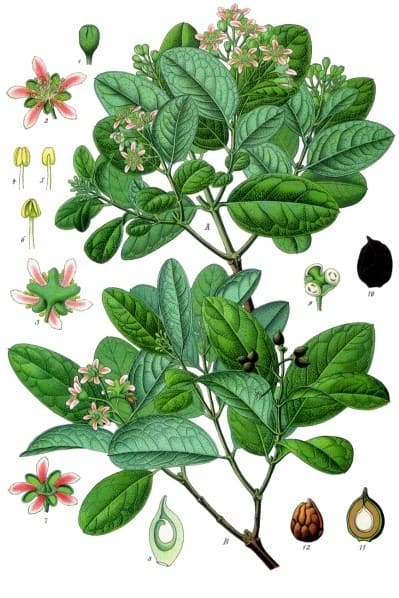 Boldo (Peumus boldus)Not for self-dosing
Boldo is a strongly aromatic multi-branched evergreen shrub or tree growing to 20 feet. It has egg-shaped leathery leaves with a lemony scent, clusters of white or yellow bell-shaped flowers, and small yellow berries. Native to Chile and Peru, it has become naturalized in the Mediterranean region and the West Coast of North America, where it grows on dry sunny slopes and in mountain pastures in the Andes. It is widely cultivated, and its leaves are gathered throughout the year.
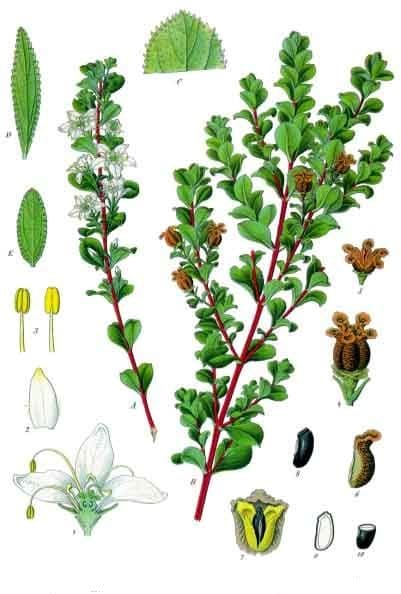 Buchu (Barosma betulina)
Buchu is a strongly aromatic, bushy shrub reaching about 6½ ft (2 m), with slightly leathery, dotted leaves that release a distinctive scent.
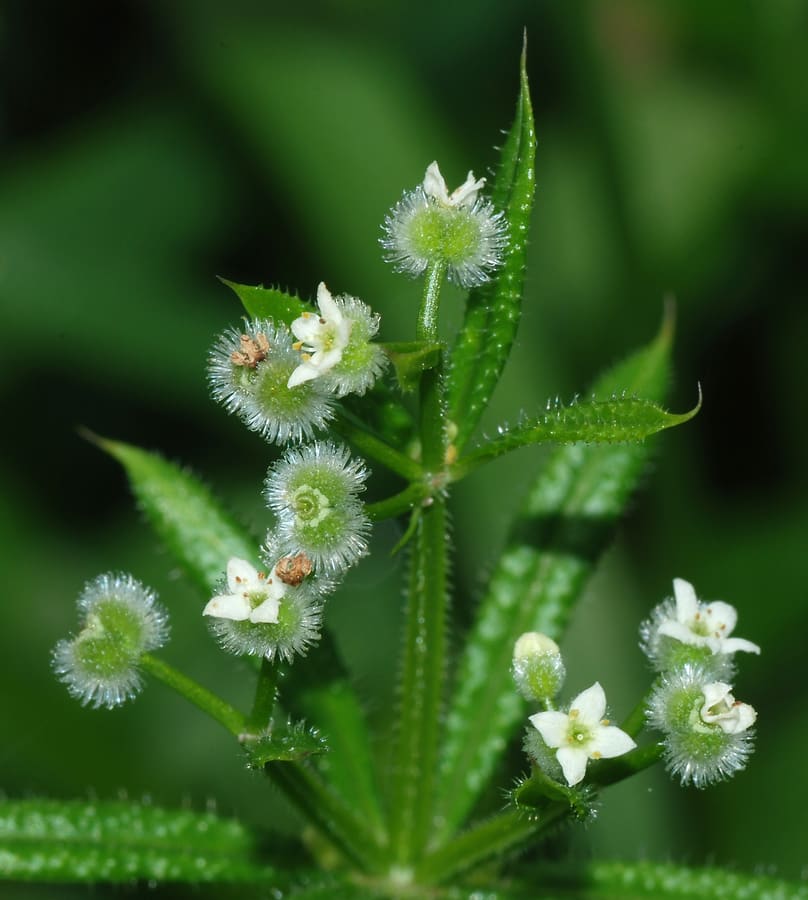 Cleavers (Galium aparine)
Cleavers is a straggling, square-stemmed annual growing to 4 feet with whorls of lance-shaped leaves, clusters of small white flowers, and small round green fruits covered with hooked prickles. The name refers to the plant's ability to cling (or cleave) to fur or clothing. Common throughout Europe and North America and found in many other temperate regions including Australia, it grows prolifically in gardens and along roadsides. The Greek physician Dioscorides in the 1st century CE noted that shepherds used the stems to make sieves for straining milk.
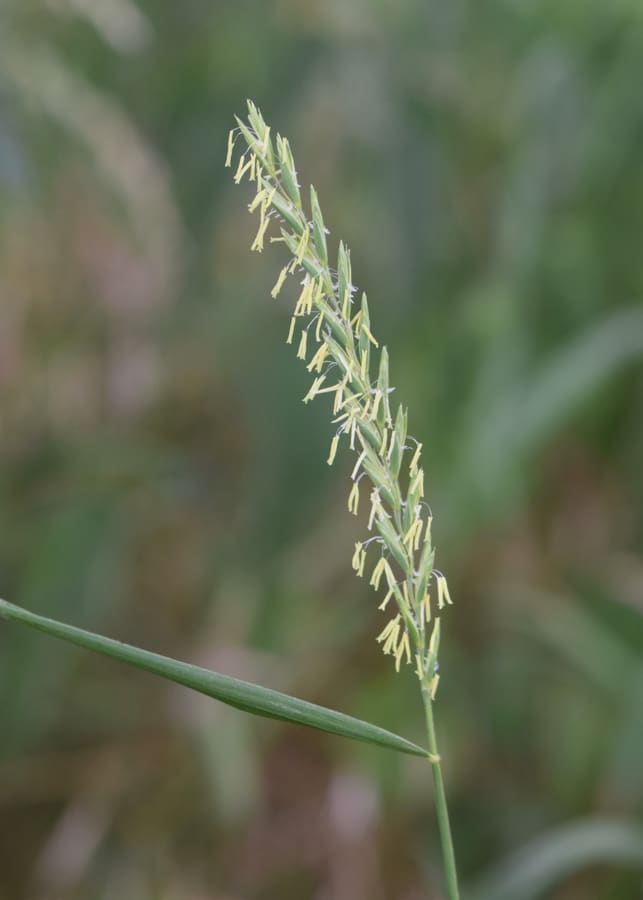 Couch Grass (Elymus repens)
Couch grass is a vigorous perennial growing to 32 inches with a long, creeping rhizome, slender leaves, and erect spikes bearing green flowers aligned in two rows. Found in Europe, the Americas, northern Asia, and Australia, it is an invasive weed harvested throughout the year. In times of famine, the root was roasted and ground as a substitute for coffee and flour.
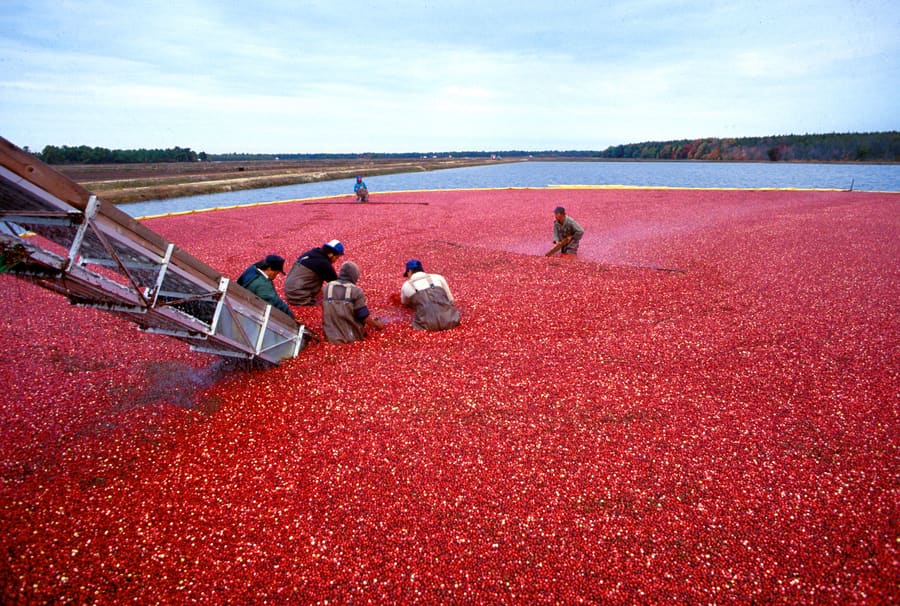 Cranberry (Vaccinium macrocarpon)
Cranberry (Vaccinium macrocarpon) is a small, low-lying evergreen shrub with dark green leaves, pink flowers, and bright red berries. Cranberries contain proanthocyanidins, which NCCIH says are thought to keep bacteria from sticking to the bladder wall. Cranberry juice or extracts are widely used to try to prevent urinary tract infections (UTIs); NCCIH says they may lower the risk of repeat UTIs in some women but are not recommended as a treatment for an existing UTI. MSK notes that the fruit and juice are rich in vitamin C.
 Ginkgo (Ginkgo biloba)
Ginkgo (Ginkgo biloba) is a distinctive, long-lived deciduous tree that can grow up to about 100 ft (30 m). It has fan-shaped leaves with radiating veins, often turning bright yellow in autumn. Ginkgo is widely promoted for cognitive impairment and dementia, and with claims that it can enhance cognitive performance in healthy people. NCCIH says ginkgo has not been shown to be effective for any condition studied, including preventing dementia.
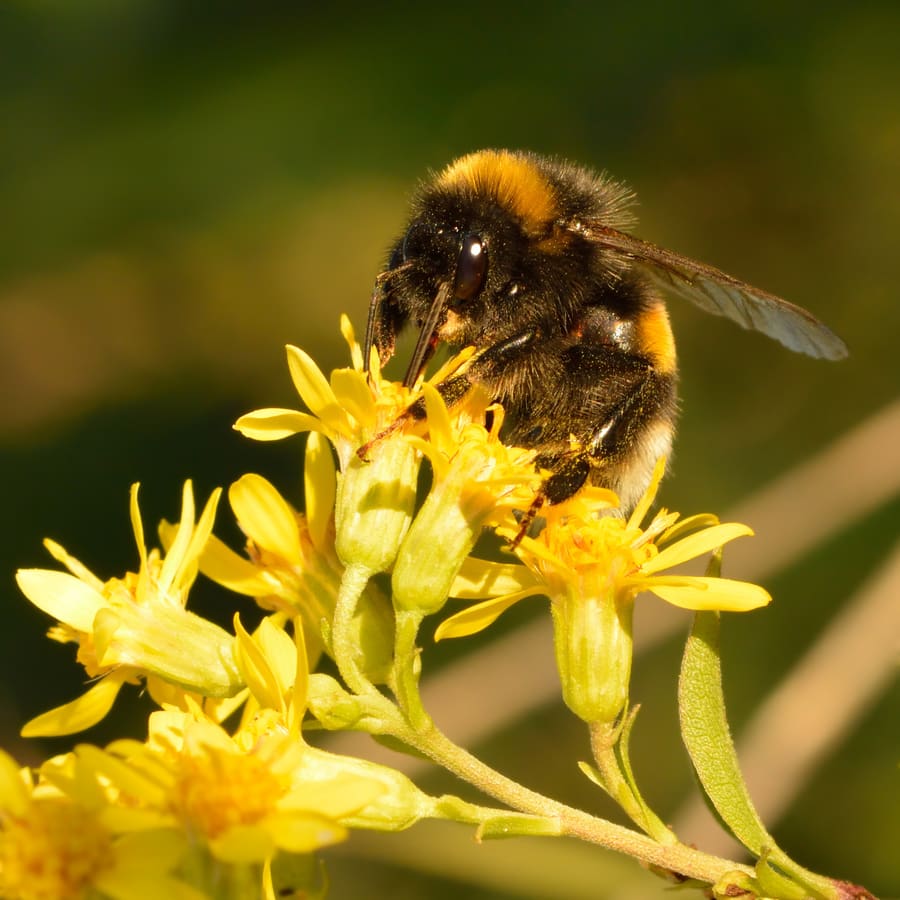 Goldenrod (Solidago virgaurea)
Goldenrod is a perennial plant growing to 28 inches with toothed leaves and branched spikes of golden-yellow flowers. Native to Europe and Asia and naturalized in North America, it prefers open areas and hillsides and is gathered in summer while in flower. The herbalist John Gerard commented wryly in 1597 about how goldenrod's value plummeted once it was discovered growing locally in Hampstead wood, London, noting society's tendency to esteem things only while they remain rare and foreign. Four hundred years later, this observation still rings true.