
Herb comparison
Ginseng (Panax ginseng) vs Schisandra (Schisandra chinensis)
Both plants are listed as traditional remedies for 3 of the same conditions, which is why they are easy to confuse. Their descriptions and full safety notes are below, free.
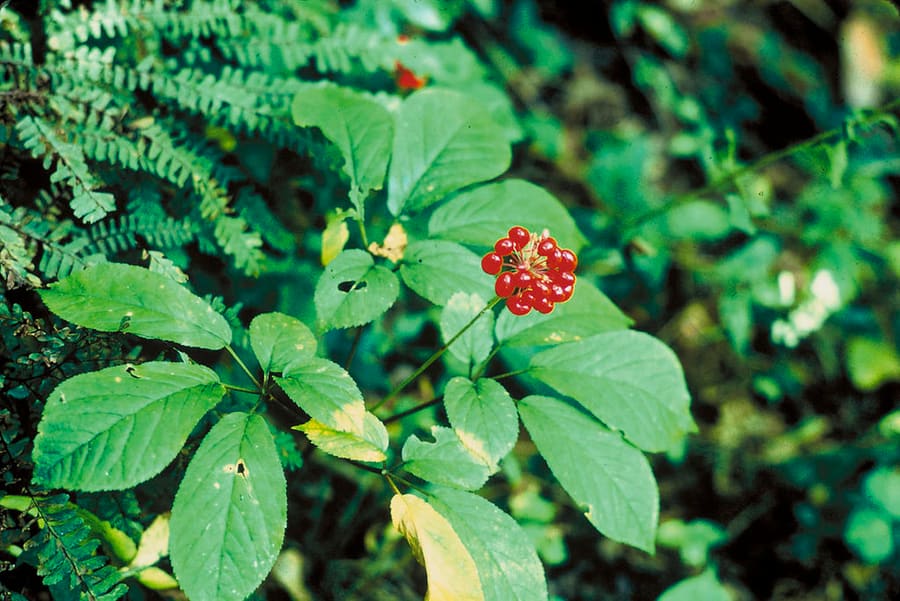
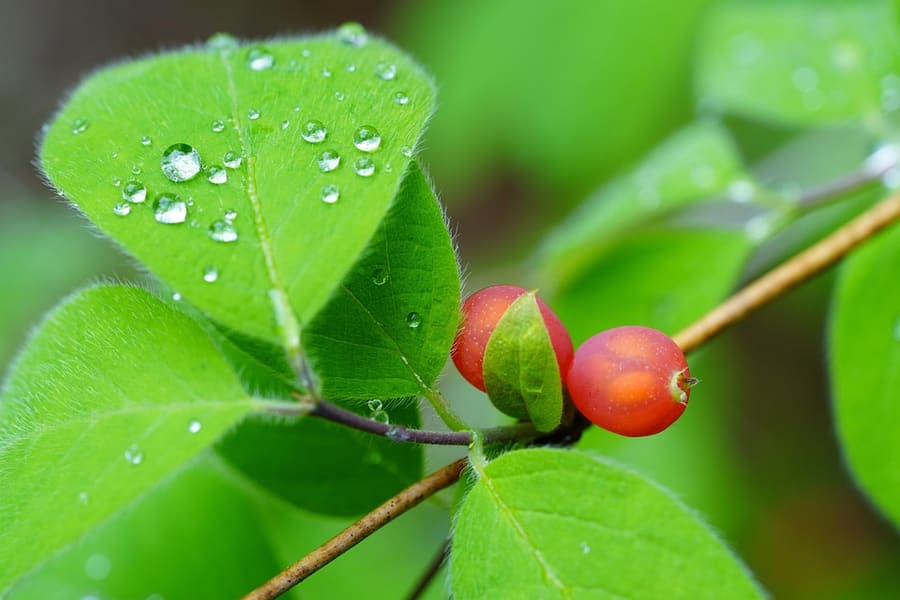
- About
- Asian or Korean ginseng (Panax ginseng) is a perennial reaching about 3 ft (1 m) in height, with toothed oval leaves and a cluster of small green-yellow flowers. Its root is legendary in traditional medicine as an adaptogen, taken for energy, stamina, aging and stress. NCCIH says most studies have been small and short, and that most research shows it does not improve athletic performance. Red ginseng is steamed before drying.Schisandra (Schisandra chinensis), also known as wu wei zi (“5-flavored herb”), is a woody vine that can grow up to 26 ft (8 m). It has pink blossoms and clusters of bright red berries, which are used in traditional Chinese medicine for liver conditions and as a tonic for vitality. MSK says only a small number of human studies exist and they are too limited to draw conclusions.
- Safety & precautions
- Signs of Heat or Acute Inflammation: Not advised in high fevers, acute illnesses, or inflammatory states. Blood-Thinning Medications: Seek professional advice as ginseng can interact with them. Duration: NCCIH says questions have been raised about its long-term safety. Avoid excessive caffeine while taking it; can cause insomnia and hypertension. Pregnancy: Avoid use.Acute Infections: Avoid taking when suffering from colds, flu, or fevers. Excessive Use: May cause insomnia and anxiety if used long term or at high doses. Medication Interactions: Consult professional advice if on medication, as schisandra can affect liver enzyme activity.
Safety text above is printed in full and is never abbreviated. For each plant’s complete precautions, drug and food interactions and preparation notes, open its own page - both are free.