
Herb comparison
Clove (Eugenia caryophyllata) vs Prickly ash (Rutaceae)
Both plants are listed as traditional remedies for 1 of the same condition, which is why they are easy to confuse. Their descriptions and full safety notes are below, free.
- About
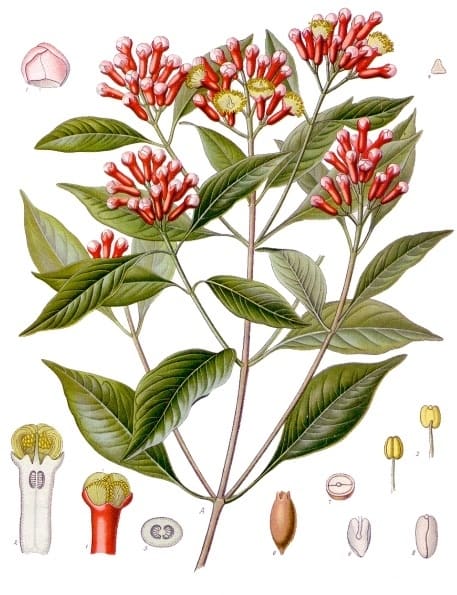
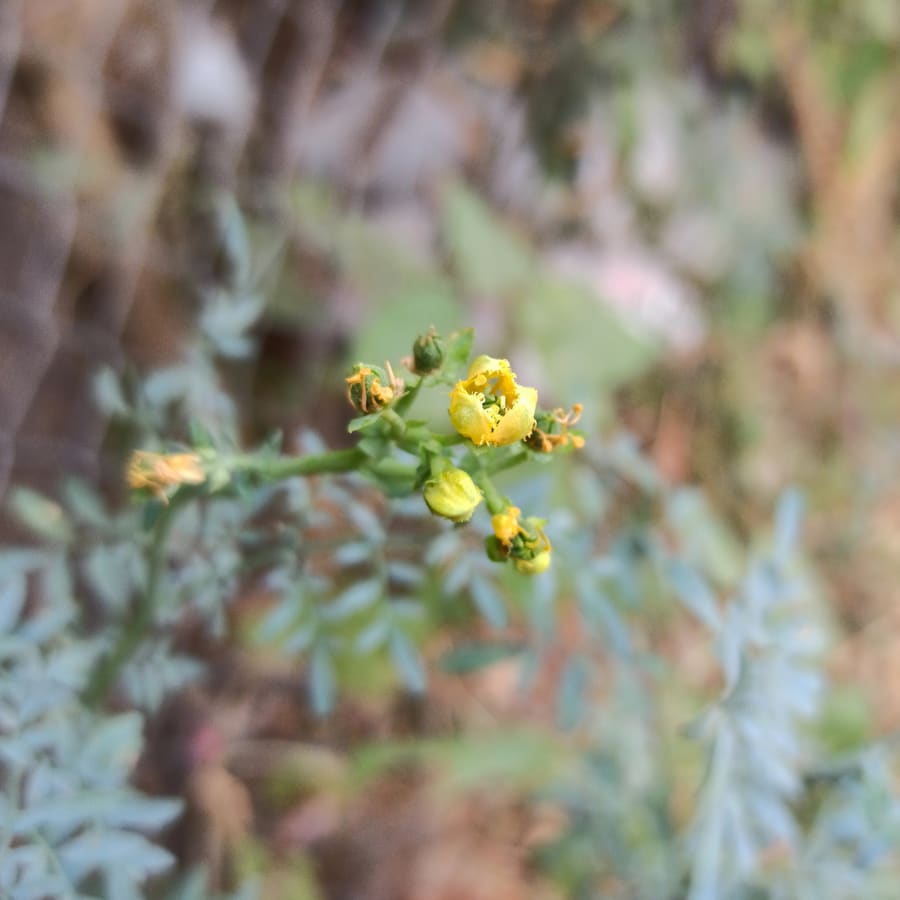
- Clove (Syzygium aromaticum) consists of the dried, unopened flower buds of an evergreen, pyramid-shaped tree that can reach about 49 ft (15 m) in height. Known for their potent aroma and taste, cloves have a significant history both as a culinary spice and as an herbal medicine, particularly in India and Southeast Asia. Clove’s volatile oil is rich in eugenol. Clove oil is an irritant and must be used with caution on the skin.Prickly ash (Zanthoxylum americanum) is a deciduous shrub or small tree growing to about 10 ft (3 m), featuring thorny gray branches and compound leaves.
- Safety & precautions
- Large Quantities: Cloves can irritate the digestive tract and skin; moderation is advised. Clove Oil: Highly concentrated; never ingest internally unless professionally supervised. Must be diluted before topical application. Pregnancy: Use with caution and under guidance, particularly in strong medicinal forms like the essential oil.Pregnancy & Lactation: Avoid, as it can stimulate circulation and possibly affect uterine function. General: Professional guidance is advised if taking it regularly.
Safety text above is printed in full and is never abbreviated. For each plant’s complete precautions, drug and food interactions and preparation notes, open its own page - both are free.