
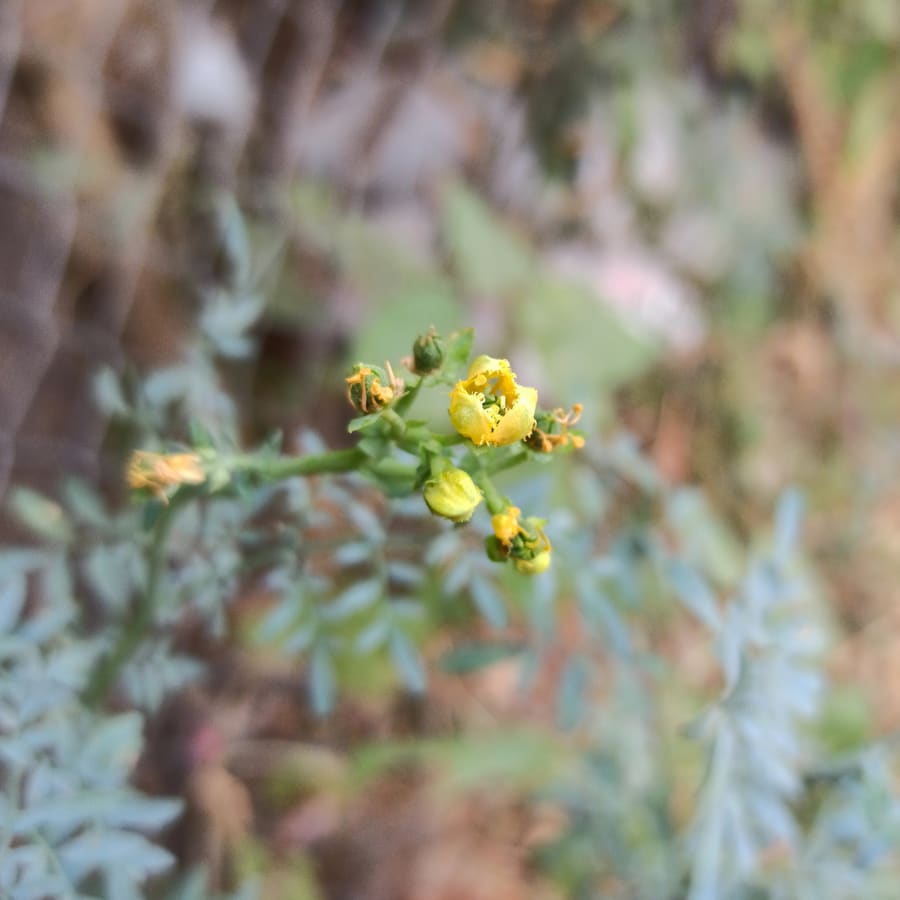
Prickly ash (Rutaceae)
Photo: Juan Carlos Fonseca Mata · CC BY-SA 4.0
- Head and Neck
- 1 condition
- Licensed photo
Overview
Prickly ash (Zanthoxylum americanum) is a deciduous shrub or small tree growing to about 10 ft (3 m), featuring thorny gray branches and compound leaves.
Safety & precautions
Pregnancy & Lactation: Avoid, as it can stimulate circulation and possibly affect uterine function. General: Professional guidance is advised if taking it regularly.
Educational reference only - not medical advice. Herbs can interact with medications. Consult a qualified healthcare provider before use. Full disclaimer.
Drug interactions
Interaction data is not available for this herb - talk to a pharmacist before combining it with any medication. A blank entry here means we have not documented interactions, not that none exist.
Habitat
Native to southern Canada and northern/central U.S. regions, prickly ash grows in moist, shady woodland areas. It’s propagated by seed in autumn. The bark is harvested in spring; berries in summer.
Traditionally used for
Each condition shows its first 2 remedies free. Premium opens the full remedy list for every condition - or come back for the free Condition of the Day.
Frequently asked questions
What safety cautions apply to Prickly ash (Rutaceae)?
Pregnancy & Lactation: Avoid, as it can stimulate circulation and possibly affect uterine function. General: Professional guidance is advised if taking it regularly.
Related herbs
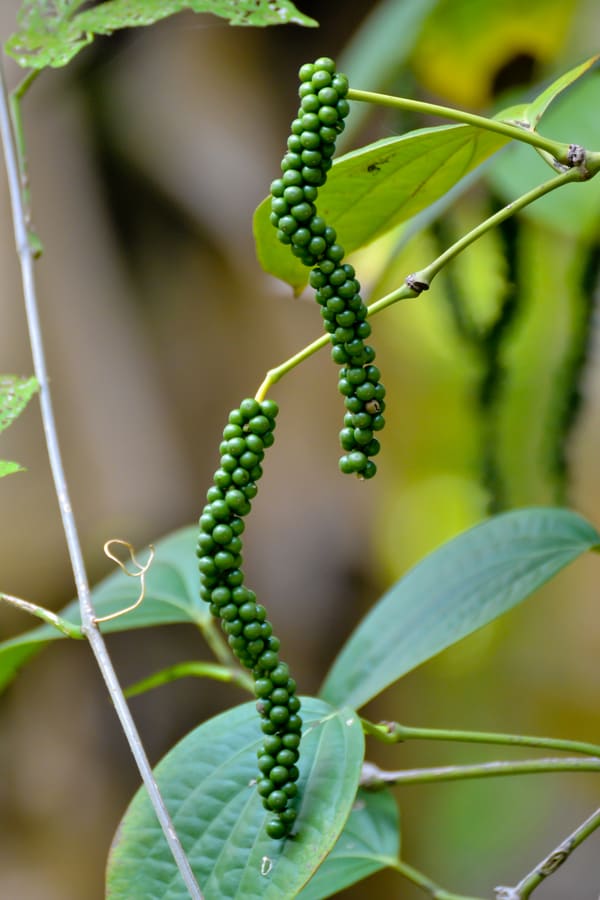 Black Pepper (Piper nigrum)
Black pepper is a perennial woody climbing vine growing to about 16 feet, with large oval leaves, spikes of small white flowers, and clusters of small round fruits that ripen from green to red. Native to southwestern India and now cultivated in tropical areas worldwide, the fruit is harvested from plants that are at least three years old. Different processing methods yield green, black, red, and white peppercorns, each with distinct flavors and uses. Cultivated as both a spice and medicine since ancient times, pepper was such a prized commodity in world trade that Attila the Hun reportedly demanded 3,000 pounds of it as ransom during his siege of Rome in 408 CE.
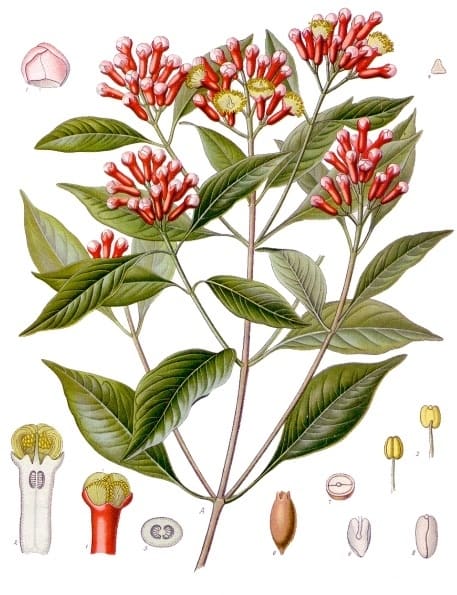 Clove (Eugenia caryophyllata)
Clove (Syzygium aromaticum) consists of the dried, unopened flower buds of an evergreen, pyramid-shaped tree that can reach about 49 ft (15 m) in height. Known for their potent aroma and taste, cloves have a significant history both as a culinary spice and as an herbal medicine, particularly in India and Southeast Asia. Clove’s volatile oil is rich in eugenol. Clove oil is an irritant and must be used with caution on the skin.
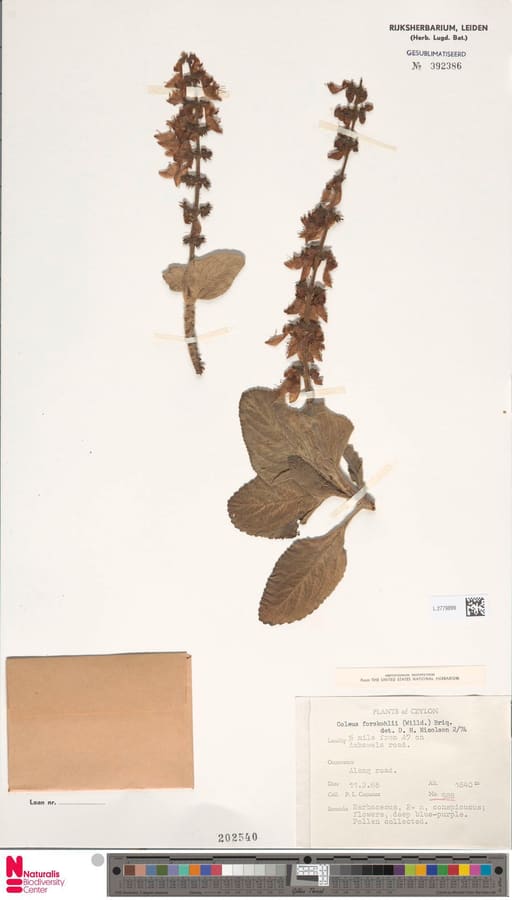 Coleus (Coleus forskohlii)
Coleus (Coleus forskohlii) is a perennial plant of the mint family whose root contains the compound forskolin.
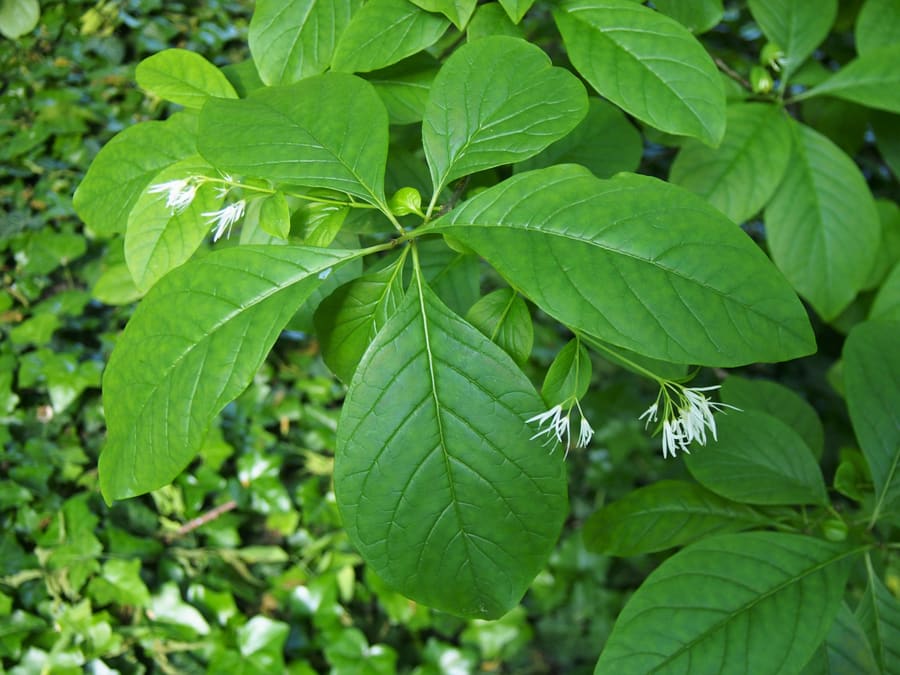 Fringe Tree (Chionanthus virginicus)
Fringe tree is a deciduous shrub or tree growing to 33 feet with elliptical dark green leaves, long flowering stems bearing spikes of white flowers, and dark blue oval fruits. Native to the United States and now also found in eastern Asia, it grows from Pennsylvania south to Florida and Texas and thrives on riverbanks and in damp shrubby areas. The root is unearthed in spring or autumn, mostly in Virginia and North Carolina.