
Herb comparison
Bitter Melon (Momordica charantia) vs Plantain (Plantago major)
Both plants are listed as traditional remedies for 2 of the same conditions, which is why they are easy to confuse. Their descriptions and full safety notes are below, free.
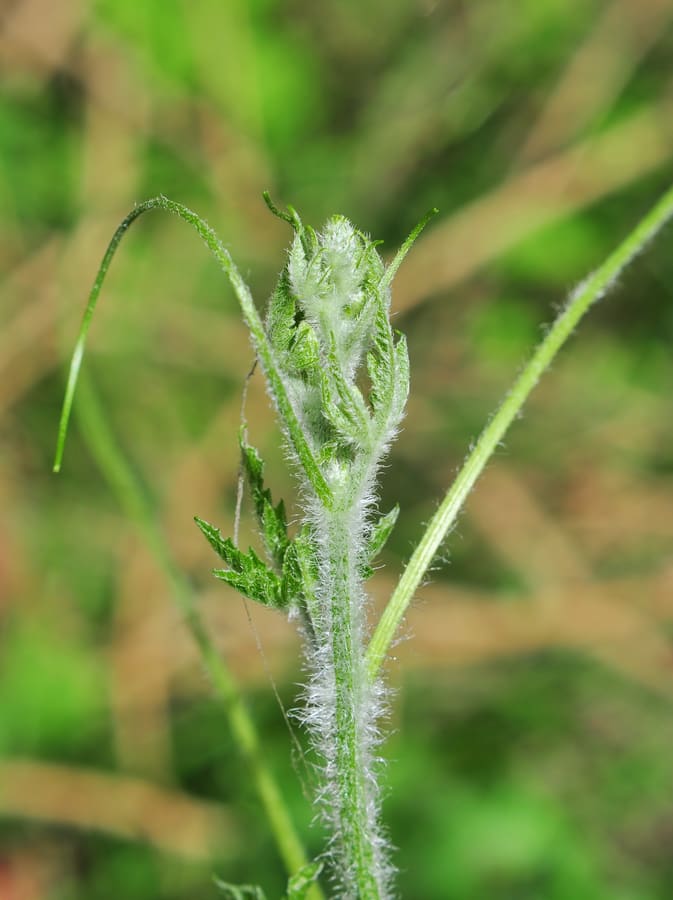
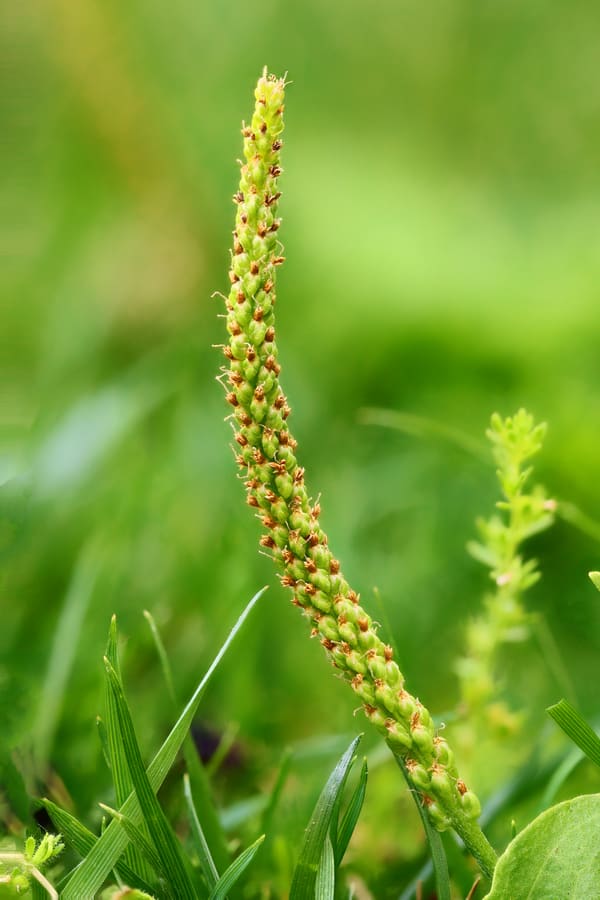
- About
- Bitter melon is an annual climbing vine reaching about 6.5 feet, characterized by deeply lobed leaves, yellow flowers, and distinctive orange-yellow fruit. Native to southern Asia and now common throughout tropical regions worldwide, it is harvested year-round. Its edible fruit is used both as food and in medicine to treat diabetes in regions including Asia, East Africa and the Caribbean; MSK says data on whether it lowers blood sugar are limited.Common plantain (Plantago major) is a low-growing perennial reaching up to about 10 in (25 cm), forming a rosette of broad, ribbed leaves and spikes of tiny green flowers. Often regarded as a garden weed, plantain has leaves rich in iridoids, flavonoids, mucilage and tannins.
- Safety & precautions
- Do not use it continuously over long periods without professional advice. Avoid if prone to low blood-sugar levels (hypoglycemia) or if taking antidiabetic medications, as it may cause excessive blood sugar reduction. The seeds were tested as a contraceptive in China during the 1980s due to their effects on sperm production, so men trying to conceive should avoid them. Not recommended during pregnancy.Allergies: Rare but possible; discontinue if irritation or reaction occurs.
Safety text above is printed in full and is never abbreviated. For each plant’s complete precautions, drug and food interactions and preparation notes, open its own page - both are free.
Conditions that list both
Related comparisons
- Andrographis (Andrographis paniculata) vs Bitter Melon (Momordica charantia)
- Bitter Melon (Momordica charantia) vs Psyllium (Plantago ovata)
- Bacopa (Bacopa monnieri) vs Plantain (Plantago major)
- Bitter Melon (Momordica charantia) vs Bupleurum
- Bitter Melon (Momordica charantia) vs Dandelion (Taraxacum officinale)
- Bitter Melon (Momordica charantia) vs Goat's Rue (Galega officinalis)