
Herb comparison
Astragalus (Astragalus membranaceus) vs Basil
Both plants are listed as traditional remedies for 1 of the same condition, which is why they are easy to confuse. Their descriptions and full safety notes are below, free.
- About
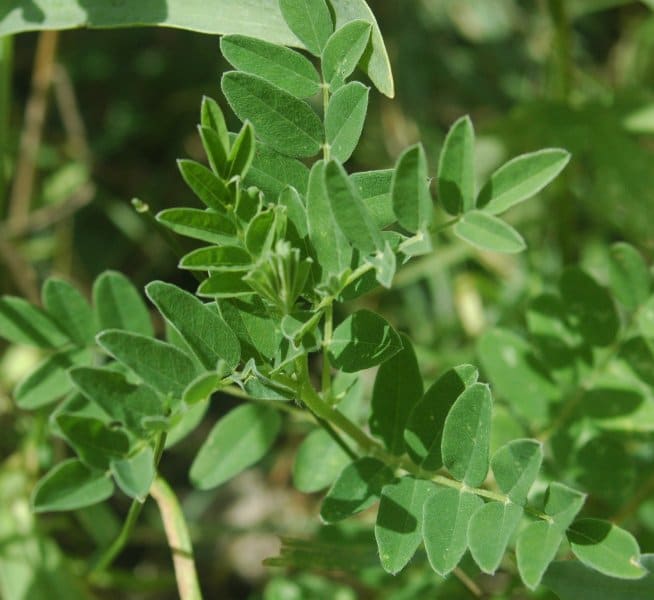
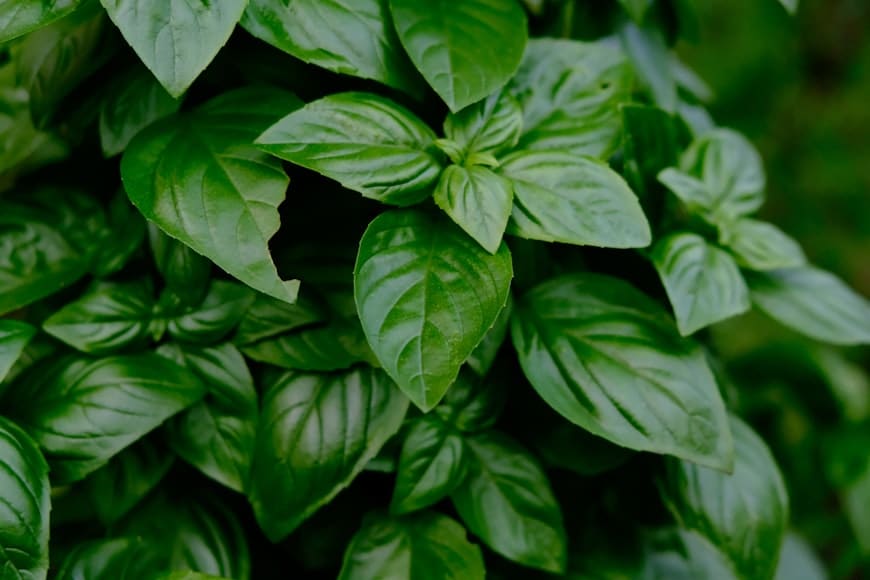
- Astragalus (Astragalus membranaceus), known in China as huang qi, is a perennial reaching about 16 in (40 cm), with hairy stems and compound leaves composed of multiple leaflet pairs. Its root has been used for centuries in traditional Chinese medicine, often with other herbs, and NCCIH says it is promoted to improve the response of the immune system. NCCIH says there is not enough reliable evidence to know whether astragalus helps any health condition.Basil (Ocimum basilicum) is a bushy annual herb growing up to about 20 in (50 cm), with shiny oval leaves arranged on a square stem and small white flowers in whorls. Known for its strong, sweet aroma, basil is cultivated worldwide in numerous varieties and is widely used as a culinary herb.
- Safety & precautions
- Skin Disorders & Acute Illness: It is generally recommended not to use astragalus during active skin disorders or acute infections. Individual Variation: NCCIH says astragalus may be safe by mouth but has not had a thorough safety evaluation, and that people with autoimmune diseases should avoid it. Use it with care if there are any underlying health issues, and it may need to be avoided in certain inflammatory skin conditions.Essential Oil: Sweet basil essential oil should not be taken internally. General Safety: Ask a qualified professional before taking basil in medicinal amounts.
Safety text above is printed in full and is never abbreviated. For each plant’s complete precautions, drug and food interactions and preparation notes, open its own page - both are free.
Conditions that list both
Related comparisons
- Ashwagandha (Withania somnifera) vs Basil
- Andrographis (Andrographis paniculata) vs Astragalus (Astragalus membranaceus)
- Ashwagandha (Withania somnifera) vs Astragalus (Astragalus membranaceus)
- Astragalus (Astragalus membranaceus) vs Borage (Borago officinalis)
- Astragalus (Astragalus membranaceus) vs Echinacea (Echinacea spp.)