
Herb comparison
Andrographis (Andrographis paniculata) vs Gymnema (Gymnema sylvestre)
Both plants are listed as traditional remedies for 1 of the same condition, which is why they are easy to confuse. Their descriptions and full safety notes are below, free.
- About
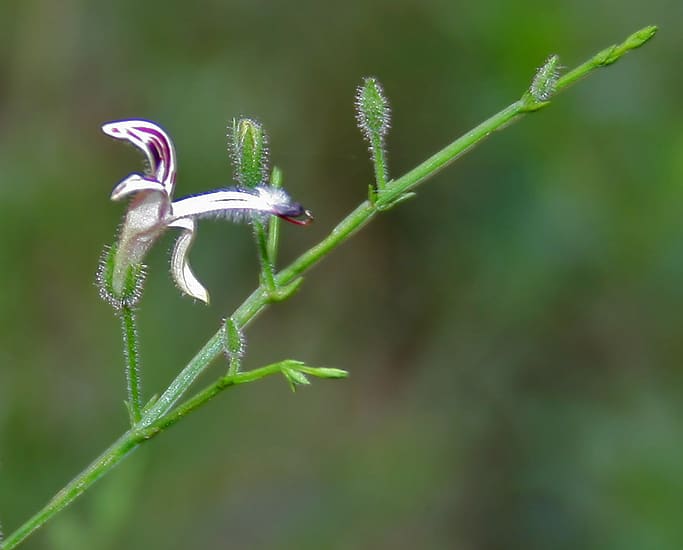
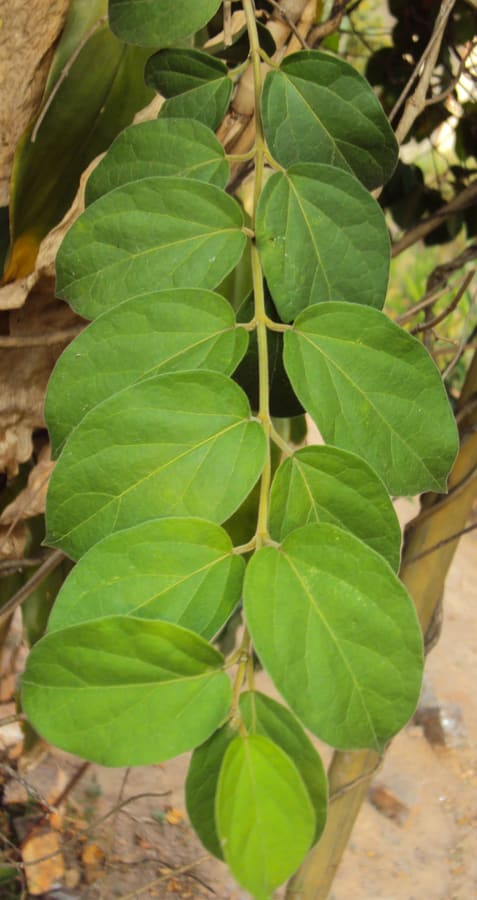
- Andrographis, commonly known as Green Chiretta or King of Bitters, is an upright annual herb reaching approximately 3 feet in height. Native to India and cultivated throughout northern regions of India and China, this bitter medicinal plant has been valued in Ayurvedic and traditional Chinese medicine for centuries. MSK notes that it has been studied mostly for colds, flu and upper respiratory infections. The plant thrives on plains and in forest undergrowth, where its spotted pale brown or purple flowers and long seed capsules distinguish it from other medicinal herbs.Gymnema (Gymnema sylvestre) is a large evergreen climber with small yellow flowers, native to the forests of southern and central India, extending into Southeast Asia and northern Australia. It is noted for its ability to blunt the tongue’s sweet receptors.
- Safety & precautions
- Pregnancy & Breastfeeding: Avoid, because andrographis may affect fertility and uterine contractions. High doses can cause nausea, vomiting, and gastrointestinal upset. Medicines: MSK notes laboratory signs of reduced platelet clumping (although a rat study found no interaction with warfarin), possible added blood-pressure lowering, possible interference with some chemotherapy drugs, and a possible rise in side effects from aminophylline. Whether andrographis meaningfully blocks drug-processing enzymes is uncertain: MSK cites laboratory inhibition of CYP1A2, CYP2C9 and CYP3A4, while a 2015 review judged the data too limited to call it an inhibitor. Professional supervision is recommended for long-term use.Blood Sugar Control: Those on diabetic medications should monitor glucose levels closely.
Safety text above is printed in full and is never abbreviated. For each plant’s complete precautions, drug and food interactions and preparation notes, open its own page - both are free.
Conditions that list both
Related comparisons
- Andrographis (Andrographis paniculata) vs Bitter Melon (Momordica charantia)
- Andrographis (Andrographis paniculata) vs Mulberry Leaf (Morus alba)
- Andrographis (Andrographis paniculata) vs Catnip (Nepeta cataria)
- Andrographis (Andrographis paniculata) vs Cinnamon (Cinnamomum verum)
- Andrographis (Andrographis paniculata) vs Fenugreek (Trigonella foenum-graecum)
- Andrographis (Andrographis paniculata) vs Fringe Tree (Chionanthus virginicus)