
Herb comparison
Aloe (Aloe vera) vs Oats (avena sativa)
Both plants are listed as traditional remedies for 1 of the same condition, which is why they are easy to confuse. Their descriptions and full safety notes are below, free.
- About
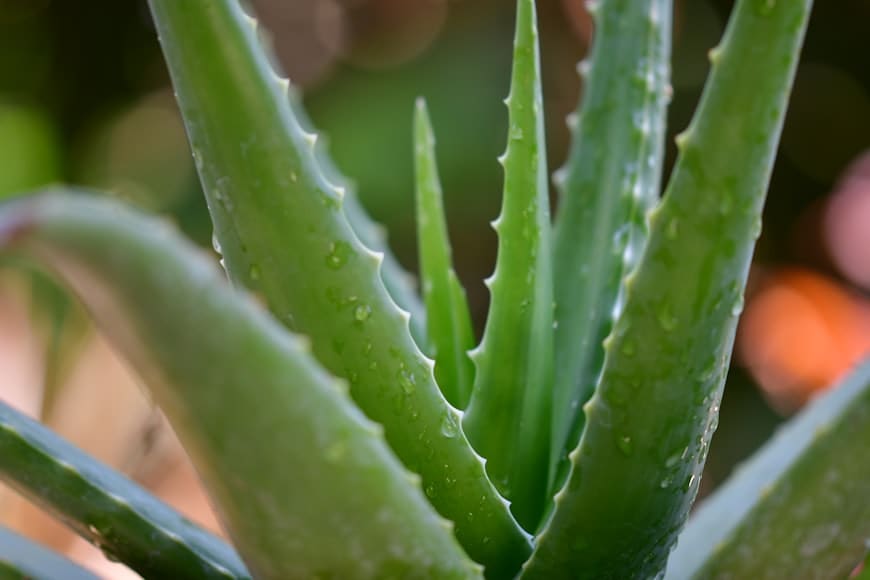
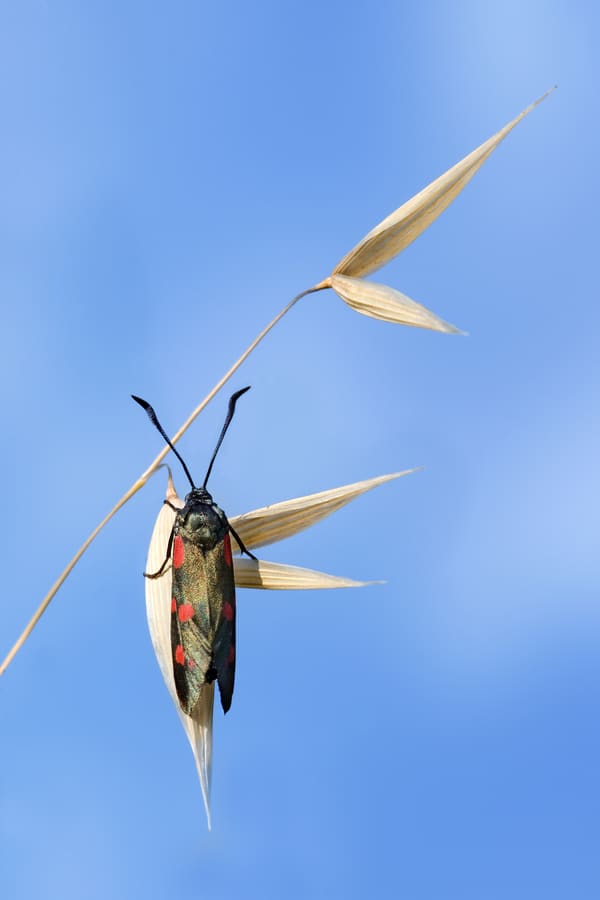
- Aloe vera (syn. A. barbadensis) is a succulent commonly grown as a potted plant, notable for its thick, fleshy leaves that contain two distinct medicinal components. Historically, the inner clear gel was used for skin conditions and to promote wound healing (NCCIH), while the bitter yellow sap from the leaf base, often called “bitter aloes,” is a strong laxative.Oats (Avena sativa) is an annual grass reaching about 3 ft (1 m), bearing hollow stems, blade-like leaves, and seeds (grain) used widely in cereal. The milky seeds are harvested before maturity. Oat straw is rich in silica.
- Safety & precautions
- The outer leaf sap contains anthraquinone glycosides (like aloin) that act as a strong stimulant laxative; NCCIH notes that in 2002 the FDA required aloe latex to be removed from over-the-counter laxative products because of a lack of safety data. Liver: Oral aloe leaf extracts have been tied to cases of acute hepatitis (NCCIH), and LiverTox rates oral aloe a likely but rare cause of liver injury. Pregnancy: NCCIH says aloe gel, latex, or whole leaf extract taken by mouth may be unsafe during pregnancy and while breastfeeding. Some herbalists advise that children and older adults not drink aloe juice containing the strong laxative compounds. Avoid internal use if suffering from kidney disease or hemorrhoids. Concentrated or unfiltered products (containing the outer rind) can be irritating.Gluten Sensitivity: Use cautiously if you have a gluten intolerance or allergy.
Safety text above is printed in full and is never abbreviated. For each plant’s complete precautions, drug and food interactions and preparation notes, open its own page - both are free.
Conditions that list both
Related comparisons
- Aloe (Aloe vera) vs Calendula (Calendula officinalis)
- Aloe (Aloe vera) vs Neem (Azadirachta indica)
- Aloe (Aloe vera) vs Tea Tree (Melaleuca alternifolia)
- Calendula (Calendula officinalis) vs Oats (avena sativa)
- Aloe (Aloe vera) vs Burdock (Arctium lappa)
- Aloe (Aloe vera) vs Flaxseed (Linum usitatissimum)