
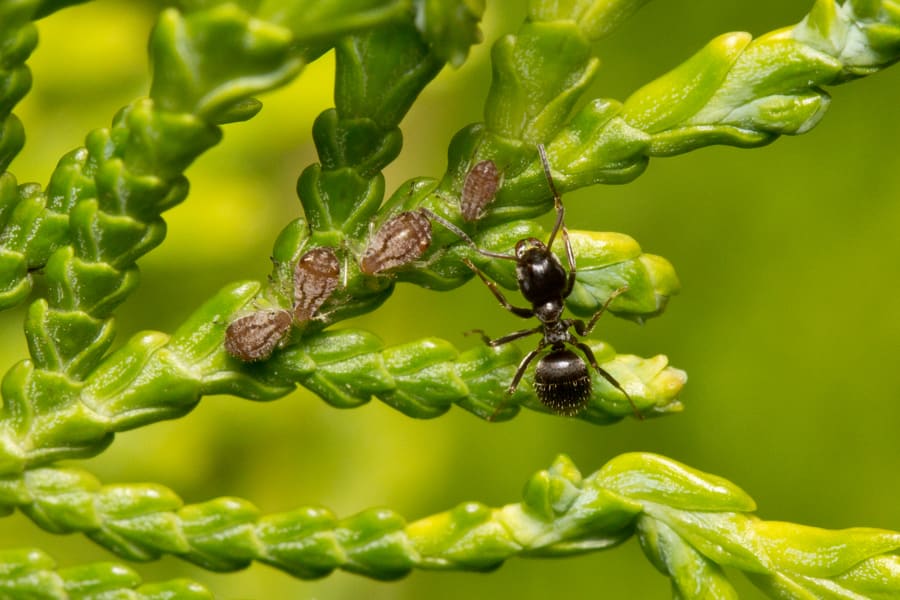
Thuja (Thuja occidentalis)
Photo: Carlos Delgado · CC BY-SA 3.0
- Skin
- 1 condition
- Licensed photo
Overview
Thuja (Thuja occidentalis), also called Arborvitae or white cedar, is a coniferous evergreen tree reaching about 33 ft (10 m). Its scale-like leaves, collected in summer, have a distinct scent from their volatile oil, which is rich in thujone.
Amounts reported by sources
Preparation amounts are not shown for this herb. It is toxic, restricted, or otherwise unsafe to self-dose - the margin between a traditional dose and a harmful one is too small to publish as reference material. If you are considering it, that conversation belongs with a doctor or a qualified practitioner, not a website.
Safety & precautions
Pregnancy & Breastfeeding: Avoid; in the 1930s, thuja was used to induce abortion. Prolonged Use: Potential kidney irritation from the thujone content. Essential Oil: Risk of toxicity if taken internally in significant amounts.
Educational reference only - not medical advice. Herbs can interact with medications. Consult a qualified healthcare provider before use. Full disclaimer.
Drug interactions
Interaction data is not available for this herb - talk to a pharmacist before combining it with any medication. A blank entry here means we have not documented interactions, not that none exist.
Habitat
Native to the northeastern U.S. and Canada, thriving in wet, marshy ground along rivers. The leaves are gathered in summer and dried.
Traditionally used for
Each condition shows its first 2 remedies free. Premium opens the full remedy list for every condition - or come back for the free Condition of the Day.
Frequently asked questions
How is Thuja (Thuja occidentalis) prepared?
Preparation amounts are not shown for this herb. It is toxic, restricted, or otherwise unsafe to self-dose - the margin between a traditional dose and a harmful one is too small to publish as reference material. If you are considering it, that conversation belongs with a doctor or a qualified practitioner, not a website.
What safety cautions apply to Thuja (Thuja occidentalis)?
Pregnancy & Breastfeeding: Avoid; in the 1930s, thuja was used to induce abortion. Prolonged Use: Potential kidney irritation from the thujone content. Essential Oil: Risk of toxicity if taken internally in significant amounts.
Related herbs
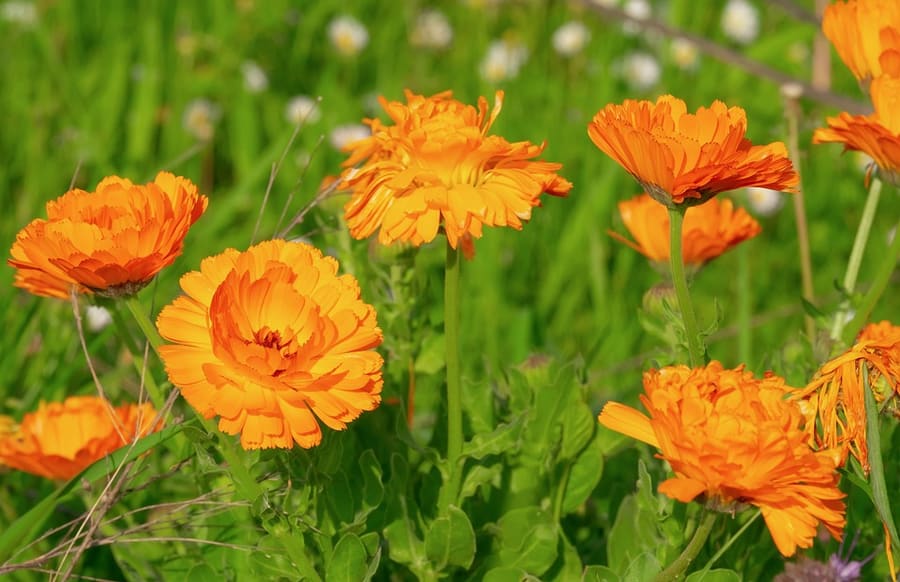 Calendula (Calendula officinalis)
Calendula (Calendula officinalis) has bright orange daisy-like flowers.
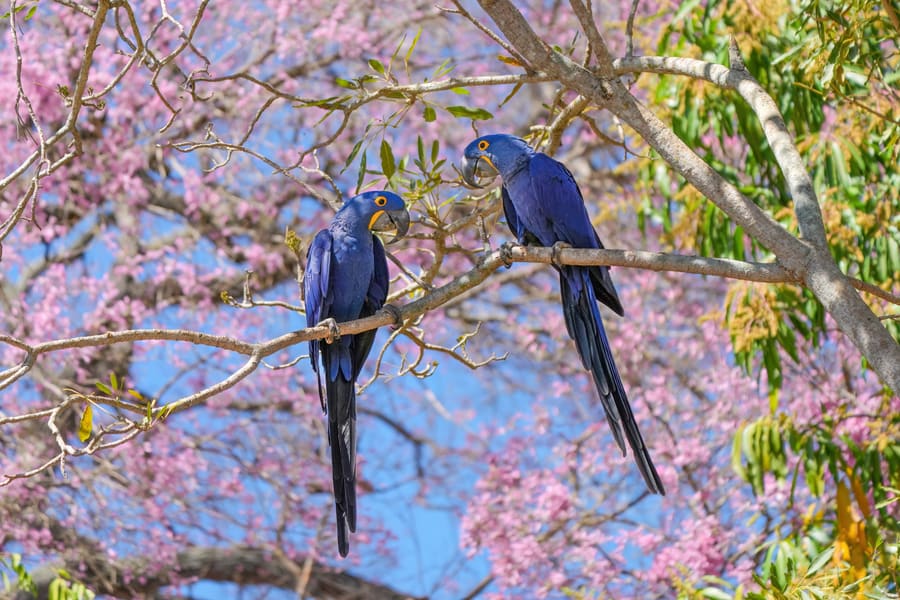 Pau d'Arco (Tabebuia impetiginosa)
Pau d'arco is an evergreen tree that can reach 100 feet in height, producing pink flowers. The bark of this South American tree is used as a tea in traditional medicine for a wide range of ailments; MSK says its antibacterial and anticancer effects in laboratory studies have not been shown in humans. The tree grows in both mountainous terrains high in the Andes and in low-lying areas of Paraguay and Brazil. The prized inner bark is collected from wild-growing trees throughout the year.