
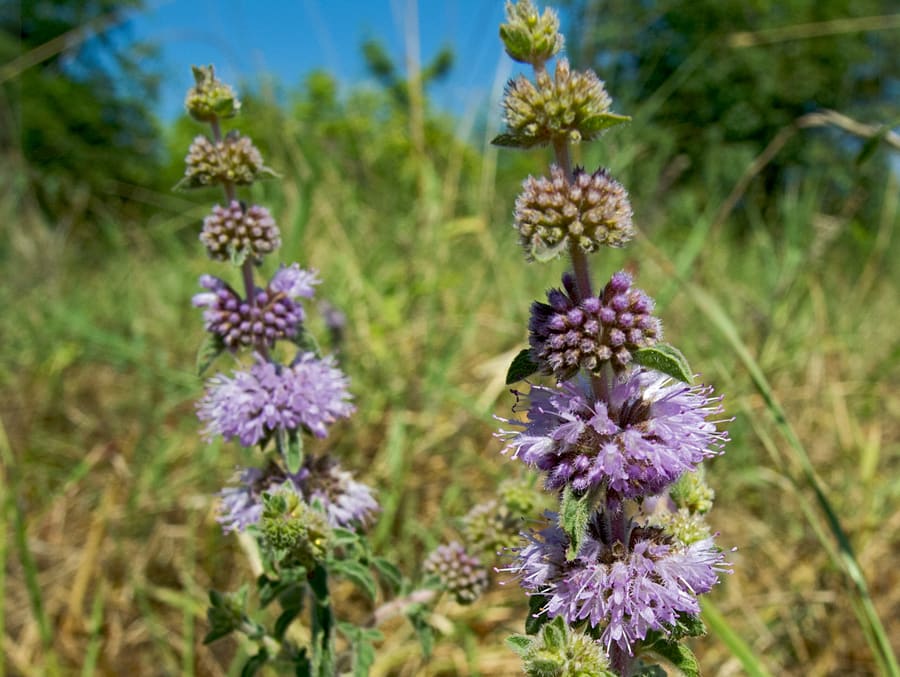
Pennyroyal (Mentha pulegium)
Photo: Katya from Moscow, Russia · CC BY-SA 2.0
- Licensed photo
Overview
Pennyroyal (Mentha pulegium) is a strongly aromatic perennial mint growing up to about 16 in (40 cm), with oval, serrated leaves and whorls of small, lilac flowers. It was historically used as a flea repellent.
Traditional uses & properties
Insect Repellent: Known to repel fleas and mosquitoes; used in sachets or as a dilute external spray.
Amounts reported by sources
Preparation amounts are not shown for this herb. It is toxic, restricted, or otherwise unsafe to self-dose - the margin between a traditional dose and a harmful one is too small to publish as reference material. If you are considering it, that conversation belongs with a doctor or a qualified practitioner, not a website.
Safety & precautions
Toxicity: Pennyroyal oil is highly toxic by mouth. LiverTox reports that even small amounts can bring on seizures, coma, circulatory collapse, acute liver injury and kidney failure, links the oil to deaths, and rates it a likely cause of acute liver injury. Never take the oil internally. Tea: LiverTox notes the tea and leaf extracts have generally not caused serious side effects, but MSK describes a case of acute liver failure possibly involving pennyroyal tea, so caution applies to the tea as well. Pregnancy: Pennyroyal stimulates the uterus and has been used to cause abortion; do not use it during pregnancy or breastfeeding. Menstrual Flow: Avoid if you already have heavy bleeding.
Educational reference only - not medical advice. Herbs can interact with medications. Consult a qualified healthcare provider before use. Full disclaimer.
Drug interactions
Interaction data is not available for this herb - talk to a pharmacist before combining it with any medication. A blank entry here means we have not documented interactions, not that none exist.
Habitat
Native to Europe and western Asia, and now naturalized in the Americas, pennyroyal grows in damp places and is gathered when flowering in summer. The aerial parts (leaves and flowers) are dried or used fresh.
Sources
The interaction notes and the statements on this page that name a source were written by HerbMate from these references, which were last checked in October 2026. They are summaries, not medical advice; ask a pharmacist about your own medicines.
Frequently asked questions
What is Pennyroyal (Mentha pulegium) traditionally used for?
Traditional sources describe Pennyroyal (Mentha pulegium) as follows: Insect Repellent: Known to repel fleas and mosquitoes; used in sachets or as a dilute external spray.
How is Pennyroyal (Mentha pulegium) prepared?
Preparation amounts are not shown for this herb. It is toxic, restricted, or otherwise unsafe to self-dose - the margin between a traditional dose and a harmful one is too small to publish as reference material. If you are considering it, that conversation belongs with a doctor or a qualified practitioner, not a website.
What safety cautions apply to Pennyroyal (Mentha pulegium)?
Toxicity: Pennyroyal oil is highly toxic by mouth. LiverTox reports that even small amounts can bring on seizures, coma, circulatory collapse, acute liver injury and kidney failure, links the oil to deaths, and rates it a likely cause of acute liver injury. Never take the oil internally. Tea: LiverTox notes the tea and leaf extracts have generally not caused serious side effects, but MSK describes a case of acute liver failure possibly involving pennyroyal tea, so caution applies to the tea as well. Pregnancy: Pennyroyal stimulates the uterus and has been used to cause abortion; do not use it during pregnancy or breastfeeding. Menstrual Flow: Avoid if you already have heavy bleeding.