
Herb comparison
Hyssop (Hyssopus officinalis) vs Mullein (Verbascum thapsus)
Both plants are listed as traditional remedies for 3 of the same conditions, which is why they are easy to confuse. Their descriptions and full safety notes are below, free.
- About
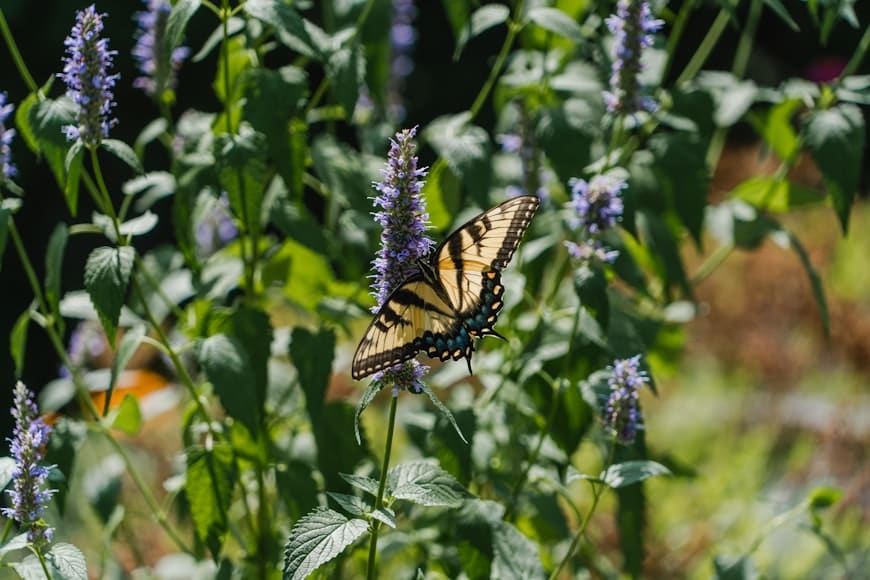
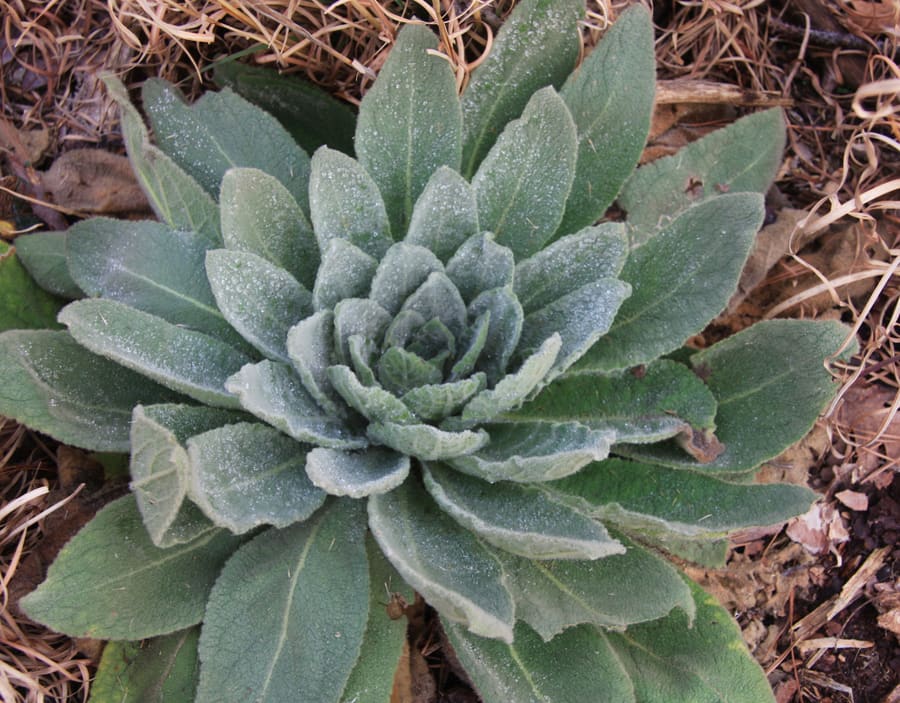
- Hyssop (Hyssopus officinalis) is a semi-evergreen shrub growing up to about 2 ft (60 cm), with narrow leaves and clusters of bright blue, two-lipped flowers.Mullein (Verbascum thapsus) is an upright biennial reaching up to about 6½ ft (2 m), with distinctive gray-green, oval to lance-shaped leaves that are softly hairy, and tall spikes of bright yellow flowers. The leaves and flowers both contain saponins. Asthma and COPD need medical care.
- Safety & precautions
- Essential Oil: Contains pinocamphone, which can be toxic and may trigger seizures. Should only be used under professional supervision. Pregnancy: Best avoided due to potential uterine stimulation. Mucous Membranes: Can be irritating if used excessively - especially during the acute phase of infections.Seeds: Contain rotenone, which is poisonous - avoid using or ingesting them. Allergies: Rare but possible contact dermatitis from the leaves.
Safety text above is printed in full and is never abbreviated. For each plant’s complete precautions, drug and food interactions and preparation notes, open its own page - both are free.