
Herb comparison
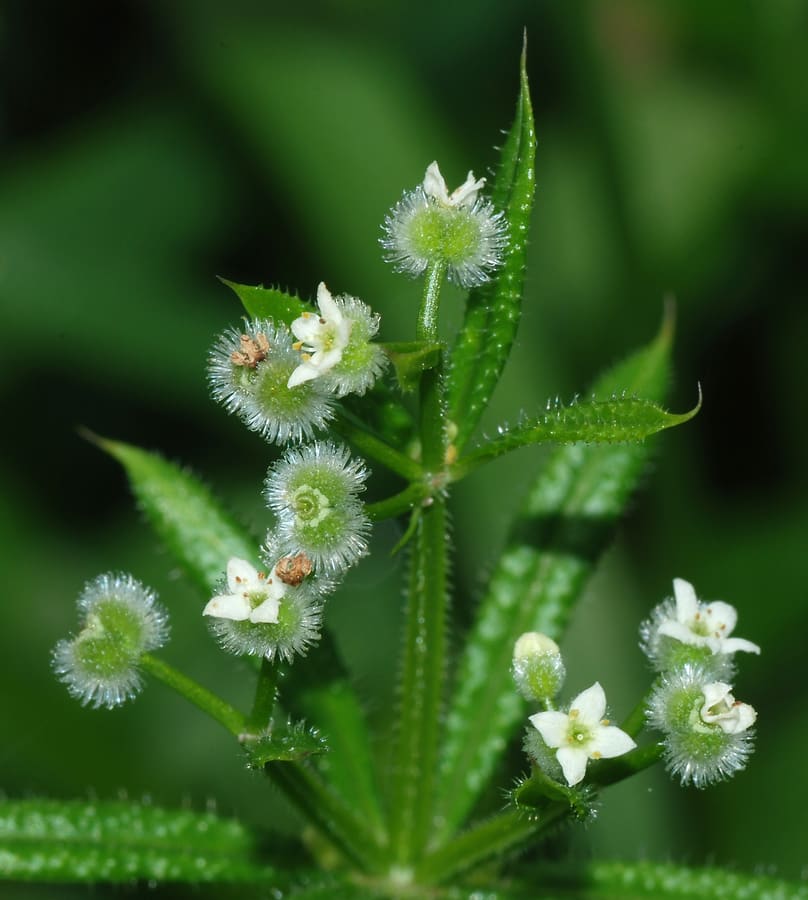
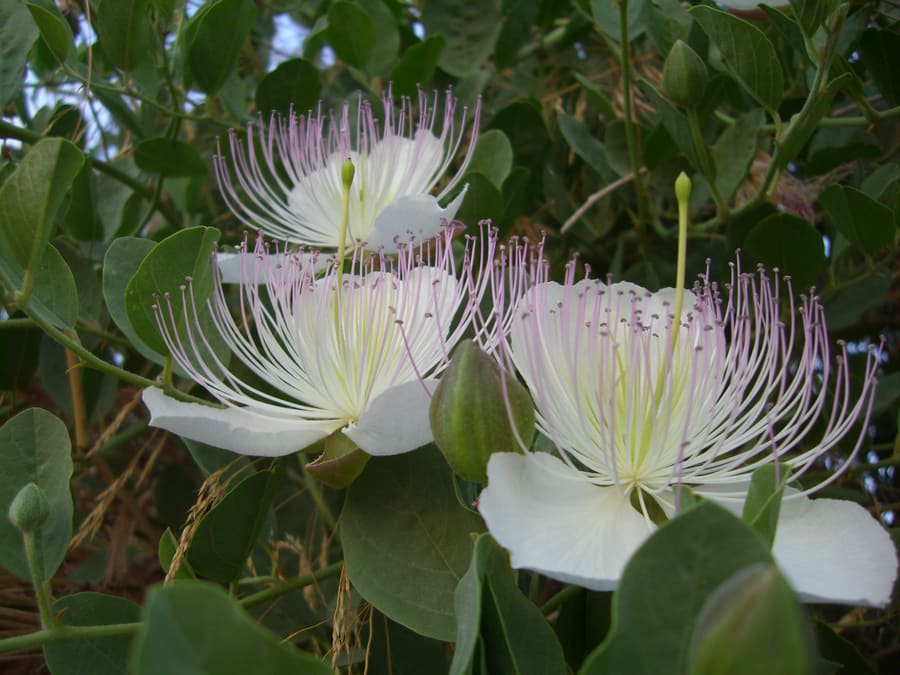
Cleavers (Galium aparine) vs Varuna (Capparidaceae)
Both plants are listed as traditional remedies for 1 of the same condition, which is why they are easy to confuse. Their descriptions and full safety notes are below, free.
- About
- Cleavers is a straggling, square-stemmed annual growing to 4 feet with whorls of lance-shaped leaves, clusters of small white flowers, and small round green fruits covered with hooked prickles. The name refers to the plant's ability to cling (or cleave) to fur or clothing. Common throughout Europe and North America and found in many other temperate regions including Australia, it grows prolifically in gardens and along roadsides. The Greek physician Dioscorides in the 1st century CE noted that shepherds used the stems to make sieves for straining milk.Varuna (Crataeva nurvala) is a deciduous tree growing up to about 33 ft (10 m), with smooth bark, pale yellow flowers, and lanceolate leaves.
- Safety & precautions
- Ask a qualified professional before medicinal use.Professional Supervision: Advised, especially for persistent or recurrent kidney stones. General: Consult a practitioner if combining with other diuretics or if pregnant.
Safety text above is printed in full and is never abbreviated. For each plant’s complete precautions, drug and food interactions and preparation notes, open its own page - both are free.