
Herb comparison
Black Pepper (Piper nigrum) vs Boneset (Eupatorium perfoliatum)
Both plants are listed as traditional remedies for 1 of the same condition, which is why they are easy to confuse. Their descriptions and full safety notes are below, free.
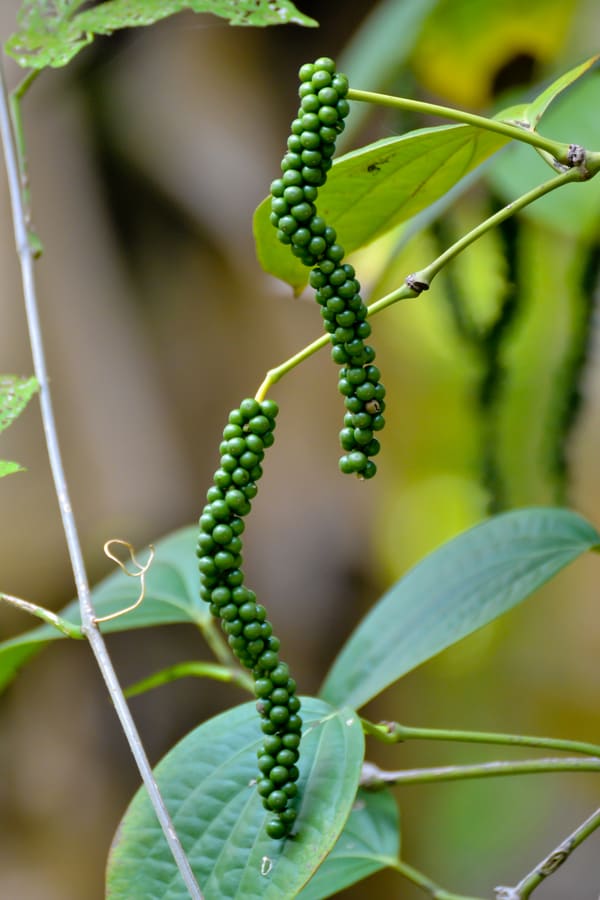
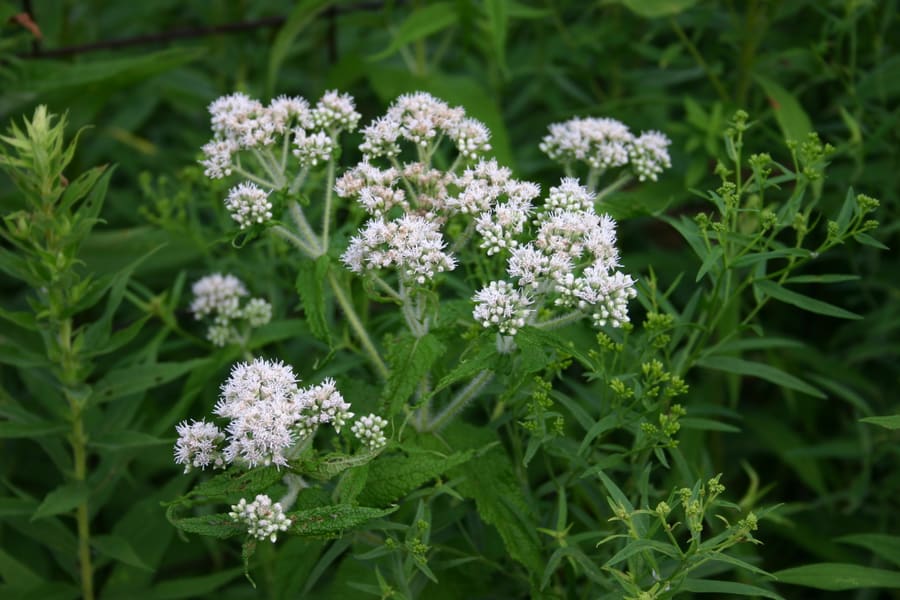
Boneset (Eupatorium perfoliatum) is restricted
Preparation amounts are not shown for this herb. It is toxic, restricted, or otherwise unsafe to self-dose - the margin between a traditional dose and a harmful one is too small to publish as reference material. If you are considering it, that conversation belongs with a doctor or a qualified practitioner, not a website.
- About
- Black pepper is a perennial woody climbing vine growing to about 16 feet, with large oval leaves, spikes of small white flowers, and clusters of small round fruits that ripen from green to red. Native to southwestern India and now cultivated in tropical areas worldwide, the fruit is harvested from plants that are at least three years old. Different processing methods yield green, black, red, and white peppercorns, each with distinct flavors and uses. Cultivated as both a spice and medicine since ancient times, pepper was such a prized commodity in world trade that Attila the Hun reportedly demanded 3,000 pounds of it as ransom during his siege of Rome in 408 CE.Boneset (Eupatorium perfoliatum) is a bitter-tasting, upright perennial that can reach about 5 ft (1.5 m). It has lance-shaped leaves and clusters of small white or sometimes purple florets.
- Safety & precautions
- Large doses can cause gastrointestinal irritation in some individuals. Do not take the essential oil internally without professional supervision. Concentrated piperine supplements differ from pepper used as a kitchen spice; ask a pharmacist before combining one with any prescription medicine.Pregnancy: Use cautiously during pregnancy. Long-Term Use: Not recommended for prolonged usage. Fresh plant material, large amounts, or chronic intake can cause nausea, diarrhea, and possible liver stress, as boneset contains pyrrolizidine alkaloids (similarly to comfrey). Emetic & Laxative Effects: Boneset infusion may cause vomiting and can have a laxative effect.
Safety text above is printed in full and is never abbreviated. For each plant’s complete precautions, drug and food interactions and preparation notes, open its own page - both are free.
Conditions that list both
Related comparisons
- Black Pepper (Piper nigrum) vs Triphala (Terminalia chebula blend)
- Bacopa (Bacopa monnieri) vs Black Pepper (Piper nigrum)
- Bay laurel (Laurus nobilis) vs Black Pepper (Piper nigrum)
- Black Pepper (Piper nigrum) vs Clove (Eugenia caryophyllata)
- Black Pepper (Piper nigrum) vs Codonopsis (Codonopsis pilosula)
- Black Pepper (Piper nigrum) vs Evening Primrose (Oenothera biennis)